
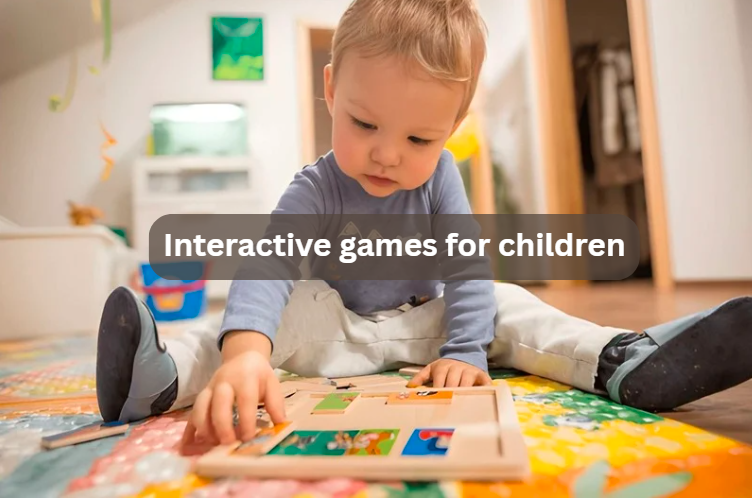
Kids don’t really learn in a straight line.They don’t concentrate for an hour, sit quietly for a long time, and retain all of the information. For the majority of them, it doesn’t operate that way.
They learn when they are doing something. When they are moving, talking, guessing, building, or laughing. That’s where interactive games for children come in.They blend learning and play in a way that doesn’t feel like school.
To be honest, that’s the reason they function.
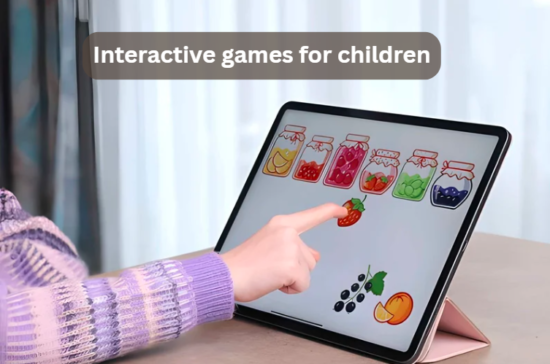
In many homes in the United States, parents are trying to balance things more carefully now. Not removing screens completely, but not letting them take over everything either. Schools are doing the same thing in a different way. Short games, group activities, small challenges during lessons. It keeps children awake in their own way.
Most of the time, these activities don’t need anything special. No expensive tools. No complicated setup. Just simple things already at home.
These are 15 kid-friendly interactive games that are practical, not just theoretical.
1. Interactive games for children Simon Says Through Practice
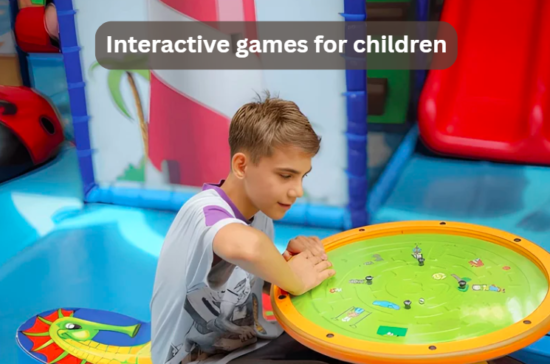
Interactive games for children This one is old but still works every time. Instructions are given by one individual. Only when the command begins with “Simon says” will everyone comply. If it doesn’t start with that, kids are supposed to stay still. But they don’t always get it right at first. They move too fast. They don’t listen carefully. That’s the point.
Slowly they start paying attention. They listen more closely before acting. It builds focus without feeling like a lesson.
You can also change it a bit. Ask them to spell a word before moving. Or count numbers. Or name something in the room.
It turns into learning without changing the game too much.
2. Interactive games for children Treasure Hunt
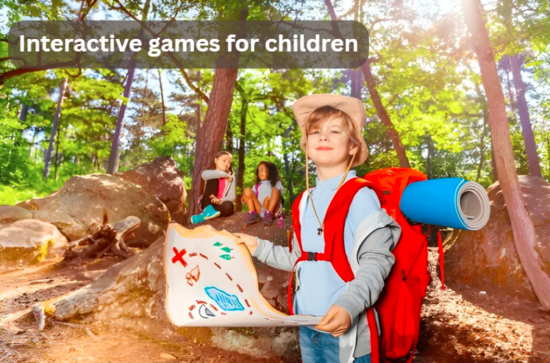
Kids never get tired of searching for things. For them, it’s like a mission.You leave hints in the yard or inside the house.
Each clue leads to the next one.Some clues are simple notes. Some can be riddles. You can adjust it based on age.
What happens during the game is more important than the final prize. Kids start thinking. They read small hints. They move around the space instead of sitting still.
They also get excited when they figure things out on their own.
This is one of those interactive play activities that quietly builds problem solving skills while still feeling like play.
3. Building With Everyday Things
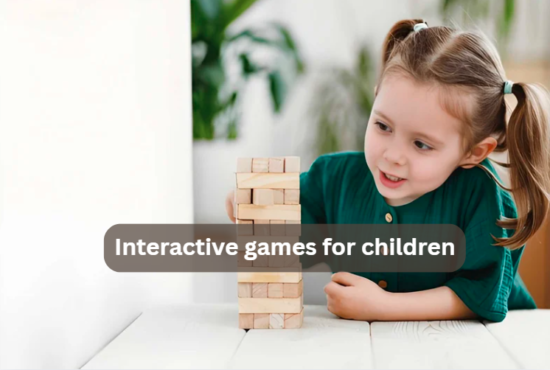
You don’t need toys for this.Kids can build with boxes, cups, blocks, bottles, anything lying around.
One day it becomes a tower. Another day it turns into a house or a “city” or something they just imagine.
Nothing needs to be perfect. In fact, it usually falls apart a few times.
That’s part of it.
They try again. Change something. See what works.
Without realizing it, they are learning planning, patience, and basic problem solving. This is also where simple DIY kids activities naturally come in, because children start creating things on their own.
4. Hopscotch Learning Game
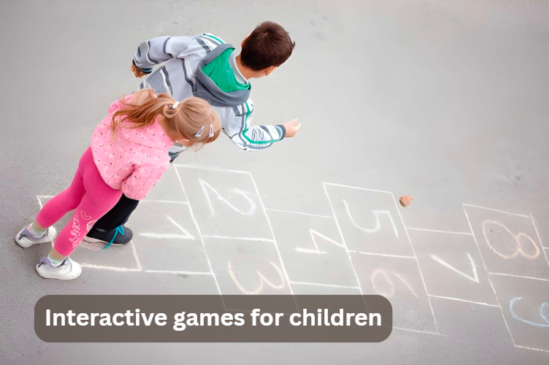
Hopscotch is already fun because kids get to jump and move.You just add small learning steps inside it.
Numbers, letters, colors, simple questions.Before jumping into a square, they answer something.If they get it right, they move forward. If not, they try again.
It doesn’t feel like studying. It feels like a game that happens to include learning.
That’s what makes interactive games for children like this useful in both homes and schools. It also fits well with Play-based learning ideas that teachers use in early education.
5. Memory Card Game
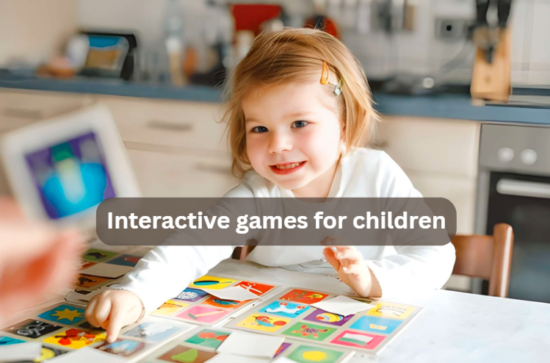
Simple setup. Cards face down. Kids flip two at a time and try to find matches.At first, it’s mostly guessing.
Then something changes. They start remembering positions. They start paying attention.That shift is important.
It improves focus and memory without pressure.
Parents can even make cards at home. Kids usually enjoy helping with that part more than the actual game sometimes. This also connects naturally with Indoor kids activities for quiet play at home.
6. Pretend Store
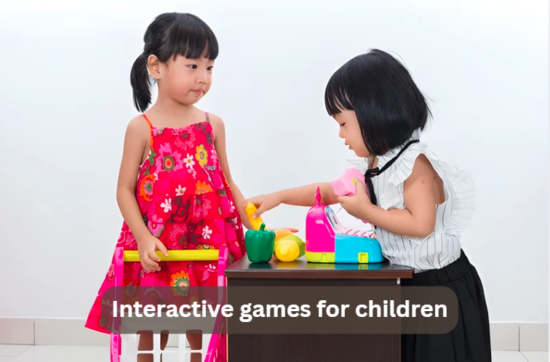
Kids love copying adults.So you give them a small “store” at home. A table, some items, and fake money.
One child becomes the shopkeeper. Another becomes the customer.They buy and sell things. They count money. They talk to each other.
It feels like play, but there’s real thinking happening. Basic math, communication, decision making.
Sometimes they even argue about prices, which turns into learning how to explain and negotiate.
7. Freeze Dance
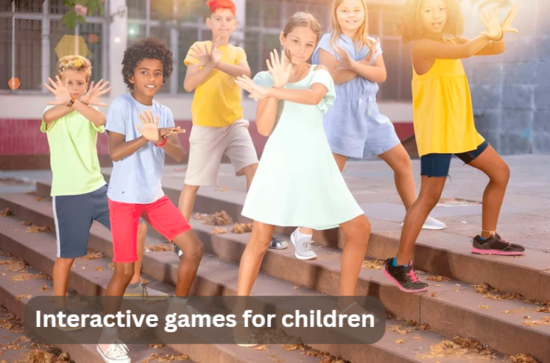
Music on. Kids move. Music stops. They freeze. That’s it. But it’s fun every single time.
They laugh when someone forgets and keeps moving. They get excited when they manage to stay still.
It builds listening skills and body control without any pressure. You can also mix in learning. When the music stops, ask a question before they can move again.
Some parents also come across things like look what mom found fathead wall graphic giveaway while looking for fun kid related ideas online.
8. Scavenger Hunt
You ask kids to find things based on clues.Something soft. Something blue. Something that starts with a certain letter.
They move around the house or outside, looking carefully at things they normally ignore.It builds observation skills.
It also keeps them physically active without needing any setup.
9. Story Chain
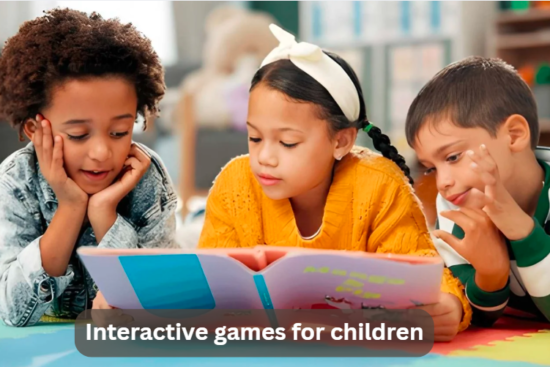
One person starts a story.Then each person adds one line.The story keeps growing.Sometimes it becomes funny. Sometimes it makes no sense at all. Kids usually enjoy that part.
But behind it, they are practicing how to build ideas and listen to others.
They also learn how to wait and contribute instead of talking all at once.
10. Puzzle Time
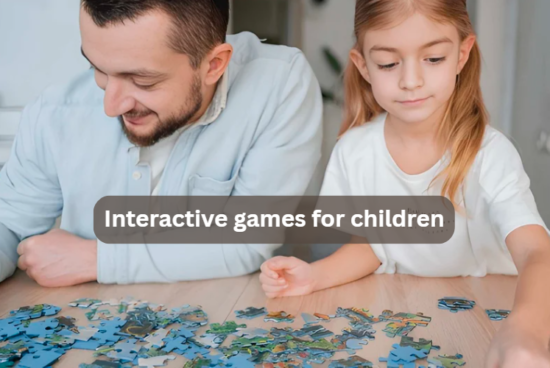
Puzzles slow everything down.Kids sit, look, try pieces, fail, try again.No rushing. No shortcuts.It builds patience in a quiet way.
Some kids like picture puzzles. Others like word puzzles or number ones.
It depends on what they enjoy.
11. Simple Coding Games
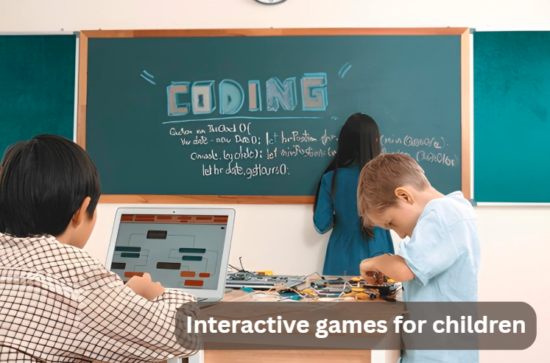
Coding sounds technical, but beginner games make it simple.Kids move blocks or steps on a screen to make something happen.
If it doesn’t work, they change it and try again.It teaches problem solving without feeling like a computer class.
Even small kids can understand basic versions easily.
12. Board Games
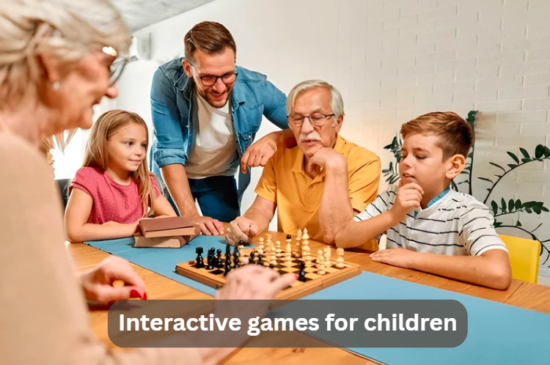
Board games are still around for a reason.They teach waiting, rules, turn taking, and dealing with winning or losing.
Families often play them during free time because they bring everyone into the same activity.
This is also where small Kids giveaway ideas sometimes come in during family events or school gatherings, making playtime more engaging.
Kids also learn thinking ahead instead of just reacting.
13. Drawing and Art Time
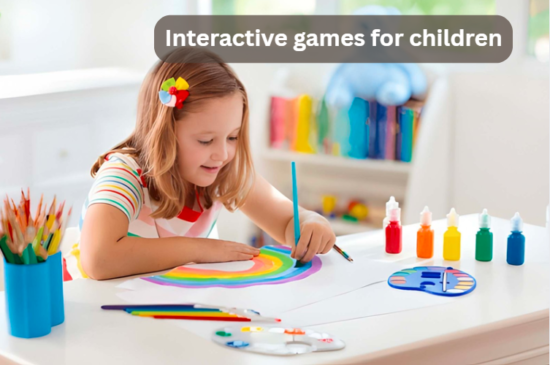
No rules here.Just paper, colors, and space to draw.
Kids draw whatever they want.Sometimes it looks messy. Sometimes it surprises you.
But what matters is they are thinking freely.You can give ideas like “draw your dream place” or “create a new animal.”
That’s enough to get them started.
14. Relay Challenges
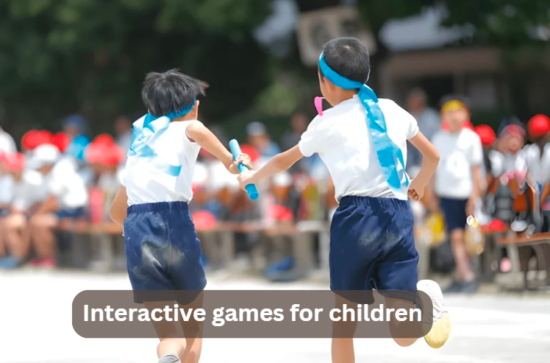
Kids work in teams.They run, pass something, solve a task, then the next child goes.
It builds teamwork without forcing it.
Even shy children join because they are part of a group, not alone.They also start cheering for each other naturally.
15. Guess the Sound
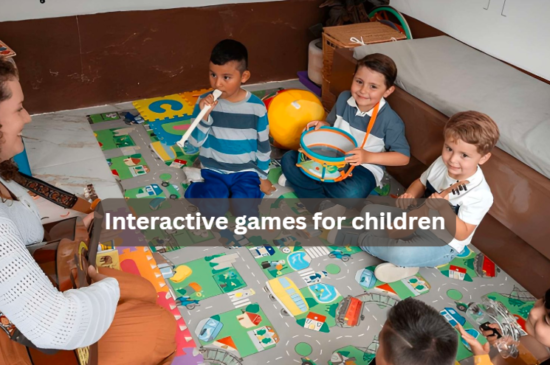
This one is simple but interesting.You make a sound using something at home. Kids close their eyes and guess what it is.
It could be tapping, tearing paper, pouring water, anything simple.They start listening more carefully than usual.
It improves attention in a quiet way.
Final Thoughts
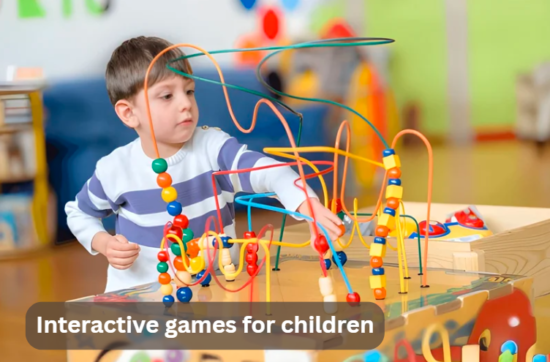
Kids don’t learn best when everything feels like a lesson.They learn when they are active, curious, and involved.
That’s why interactive games for children work so well. They turn normal moments into learning without it feeling like a lesson.
Some kids just want to move all the time. They can’t sit still for long. Others are the opposite. They like sitting quietly and thinking things through before they answer. And then some kids just live in their imagination. They turn a simple game into a whole story in their head.
There really isn’t one style that fits all of them. You notice that pretty quickly when you spend time with different kids.
So it helps more to just give them space. Let them try things. Let them figure out what they enjoy instead of forcing it in one direction.
Because when learning feels like play, kids don’t push it away. They just stay with it, a bit longer each time, without even thinking about it.
For more ideas and family activity inspiration, some parents also explore platforms like lookwhatmomfound for creative home and kid-friendly content.