
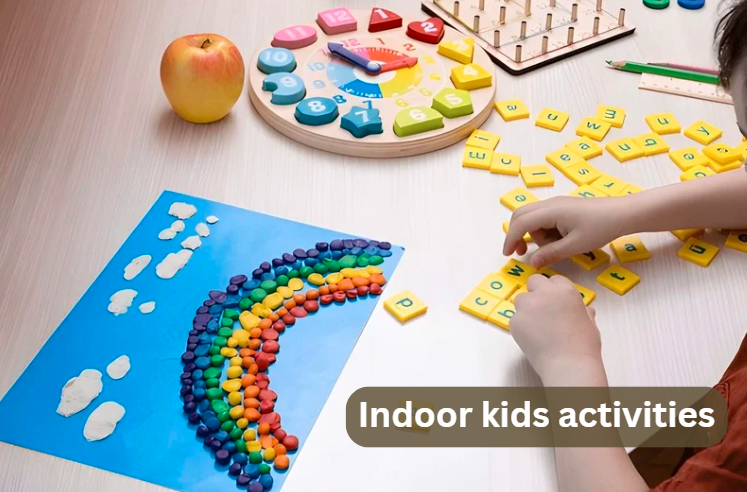
Every American parent eventually encounters the same circumstance. After a while, children at home begin to complain about being bored. It does not matter if it is a weekend, a holiday, or just a rainy day. The energy inside the house changes quickly when kids do not have anything to do.
Most parents usually reach for screens because it is the fastest solution. It temporarily calms children, but it doesn’t always address the underlying issue.Kids still need movement, creativity, and real interaction. That is where Indoor kids activities become really helpful in daily life.
The good news is that nothing costly or complex is required. Most Indoor kids activities can be done with simple things already at home. Paper, pillows, toys, kitchen items, or even just imagination is enough to keep kids busy.
What really matters is not perfection. It is giving kids something meaningful to do so the day feels smoother for everyone in the house.
Below are simple ideas that actually work in real homes without stress or planning.
1. Drawing and coloring
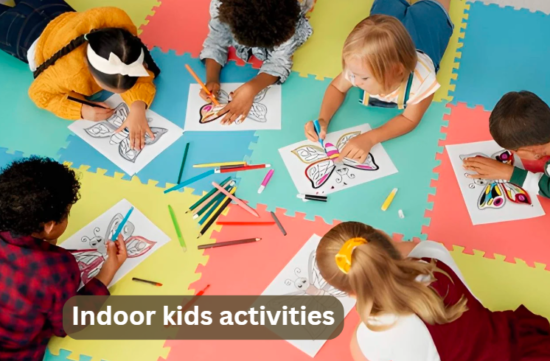
Drawing is one of the easiest Indoor kids activities to start with. You just give paper and colors, and kids usually take it from there.
They draw whatever comes to their mind. Sometimes it is family, sometimes animals, sometimes random shapes.It doesn’t matter how it looks. What matters is that they stay focused for a while.
This type of home based play also helps kids express emotions in a simple way. Some kids talk while drawing, explaining what they are making, which gives parents small insights into how they think.
It also builds patience. Kids slowly learn to stay with one activity instead of jumping from one thing to another every minute.
2. Treasure hunt around the house

A treasure hunt is one of those Indoor kids activities that instantly changes the mood in the house.
You do not need anything special. Just hide a few small items around the house and give simple clues. It could be toys, snacks, or even handcrafted notes.
Kids get excited because it feels like a real mission. They start searching everywhere, under cushions, behind doors, and inside corners.
It is not just fun. It also makes them think. They try to connect clues and remember details, which helps their focus without it feeling like learning.
This activity also keeps them physically active since they are moving around the house the whole time.
3. Story time together
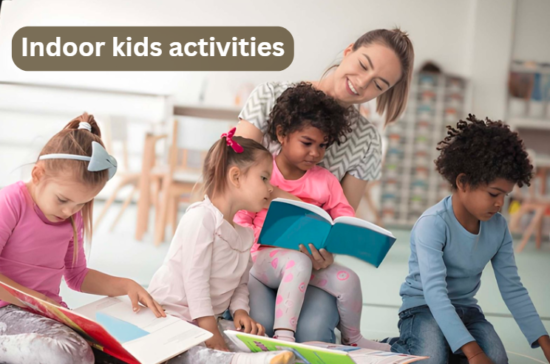
Story time is one of the calmest Indoor pastimes you can do at home.You can read from a book or just make up stories. Kids usually enjoy both because it feels personal and relaxed.
They listen, ask questions, and sometimes even change parts of the story in their own way.
Sometimes parents add Fun activity giveaways after story time. It does not have to be anything big. Even a small surprise keeps kids interested and makes them look forward to it again.
This simple routine helps build language skills and imagination without any pressure.
4. Building blocks play
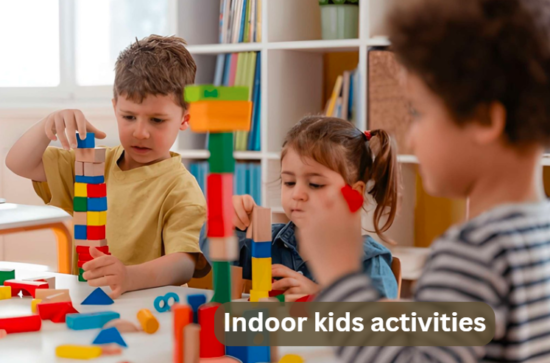
Family giveaway events are a nice way to bring everyone together. You don’t need anything fancy just a few small prizes like blocks or LEGO sets can get kids excited and involved. It adds a bit of fun and gives families something to enjoy as a group.
Blocks or LEGO pieces may be simple, but kids never get tired of them. They build something, pull it apart, and start again without thinking twice. One minute it’s a tower, the next it’s a house or a road. They just follow whatever idea pops into their head, and that’s what makes it fun.
This is one of those Indoor play ideas that looks like just play but actually teaches a lot. Kids learn balance, structure, and patience naturally.
When something falls, they try again without giving up. That repeated effort builds confidence over time.
It also encourages creative thinking because there is no fixed way to build anything.
5. Craft activities
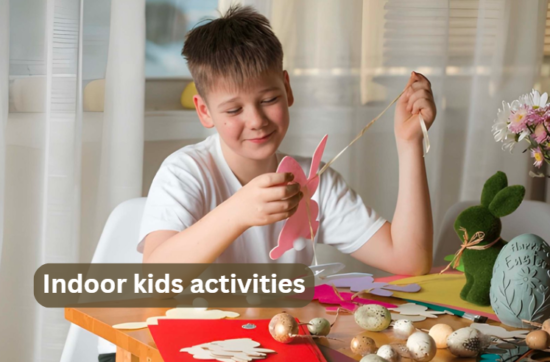
Crafting is messy but kids enjoy it a lot.Paper, glue, scissors, and colors are enough to get started.
Kids cut, stick, draw, and create random things. Some make cards, some make shapes, and some just experiment freely.
Some parents also use ideas from indoor activities lwmfcrafts to keep craft time interesting and different every time.
This type of creative indoor play helps improve hand control and focus while letting kids use their imagination freely.
It is not about the result. It is about the process.
6. Pillow obstacle game
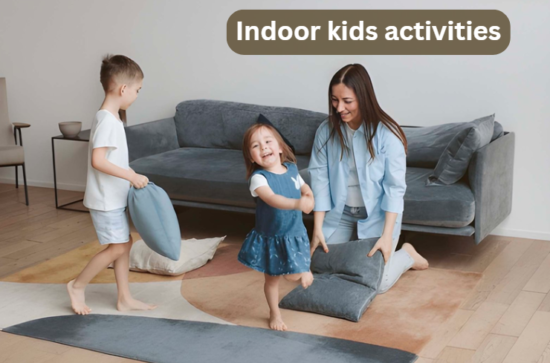
This is a very active idea and works well when kids have too much energy indoors.You use pillows, chairs, or soft items and create a simple path in the living room.
Kids jump over things, crawl under chairs, and move around objects. It feels like a small indoor adventure.
You can also turn it into Contest for kids by making light challenges like who finishes first or who completes it without stopping.
It keeps things fun without pressure and turns normal movement into a game.
This is one of the most energetic Indoor play options because kids burn a lot of energy in a short time.
7. Board games
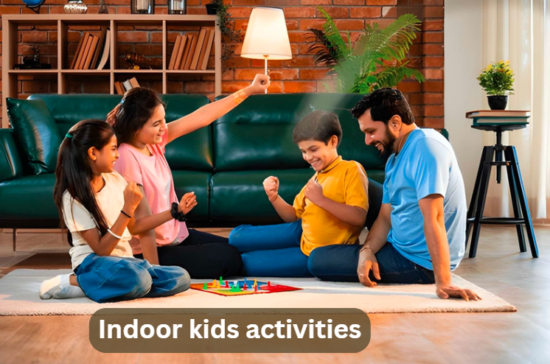
Board games are one of those simple things that actually bring everyone into the same room.
Cards, Ludo, or puzzles work fine for most ages, so nobody feels left out.
Kids pick up things slowly while playing, like waiting their turn, following rules, and dealing with winning or losing without making a big deal out of it.
It also becomes real family time. Everyone sits together, talks a bit, laughs a bit, and there are no phones taking attention away.
Some families even make it more fun with Family giveaway events, where the winner gets a small surprise. Nothing serious, just something light that makes everyone a bit more interested in playing.
In the end, it just helps everyone connect a little better without forcing anything.
8. Helping in the kitchen
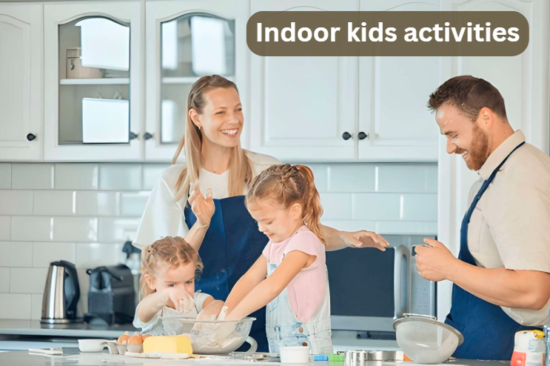
Kids like being part of what adults are doing.Simple kitchen tasks like washing fruits, mixing ingredients, or arranging items keep them busy.
It makes them feel included and responsible.
This type of Indoor engagement also teaches real-life skills like counting, measuring, and following simple steps.
9. Music and dancing
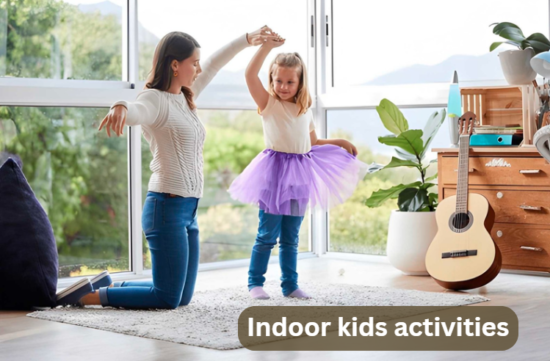
Music is one of the quickest ways to change the mood at home. You just put on a song and things shift right away.
Kids don’t really need instructions here. They just start moving on their own. Dancing, jumping, clapping, spinning around, whatever feels right in the moment.
There is no correct way to do it, which is why it works. They’re not thinking about it; they’re simply doing it.
And in the middle of all that, Play-based learning is happening naturally. They’re picking up rhythm, reacting to sounds, copying movements, and expressing themselves without anyone teaching them step by step.
Some parents also create small fun moments inspired by
give away to make music time more exciting at home.
This keeps energy high and helps kids release stress or boredom in a natural way.
It is simple but very effective.
10. Simple home experiments
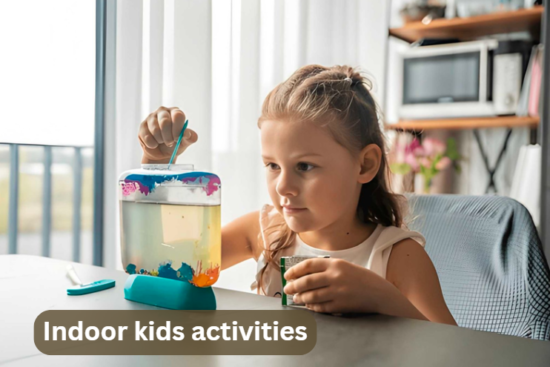
You do not need anything special for this.Water, baking soda, and food coloring are enough.
Kids enjoy watching reactions happen. It feels like magic to them.Kids get curious on their own during these activities. They’ll start asking random stuff like why something is happening or what would happen if they tried it differently.
To them, it’s not learning. It’s just play.
But while they’re in it, they start noticing little things without anyone pointing them out. Over time, they just get more curious and start figuring things out in their own way through doing, not being taught.
Final thoughts
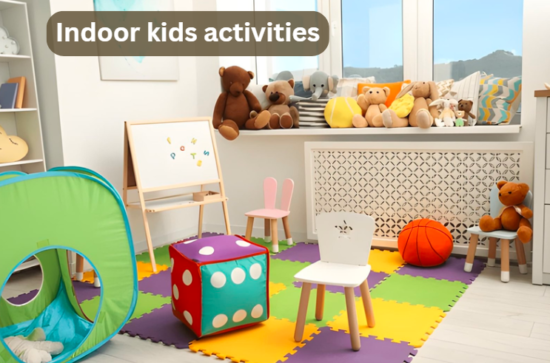
At the end of the day, it is not about keeping children entertained all the time. It’s just about having a few simple things ready so they don’t sit around feeling bored.
Kids don’t need a packed schedule. Some drawing, a small game, music, or just helping out at home is usually enough to keep them going.
When you keep it simple, things feel easier for everyone at home.
You don’t require precise planning or pricey gear. Most of the time, small everyday things work best.
When you mix different Indoor kids activities during the week, kids stay more interested and the home feels more relaxed.
Even simple activities such as drawing, playing games, or assisting in the kitchen can significantly improve daily routines.