
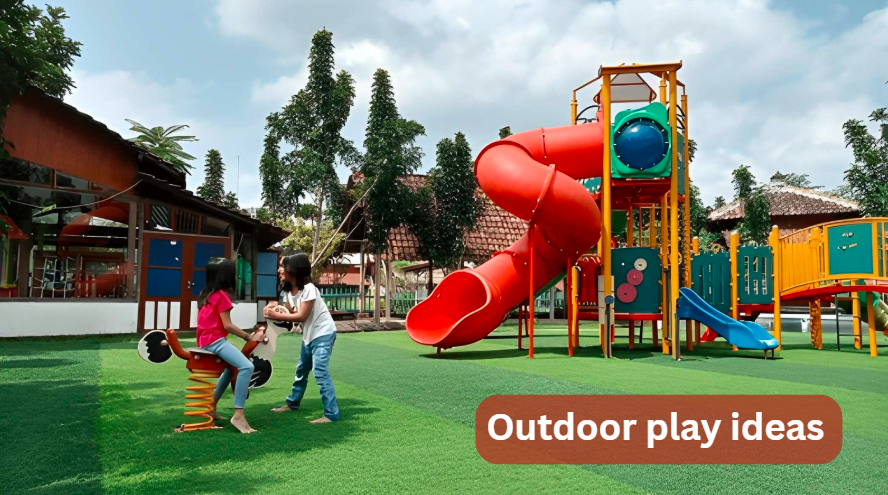
Kids today spend a lot more time indoors than most parents would like to admit. Screens are always nearby, school routines are packed, and free time often turns into sitting time without anyone really planning it that way. Because of that, Outdoor play ideas have become more important than they used to be.
The simple truth is that children don’t actually need much to enjoy being outside. They don’t need expensive toys, complicated setups, or structured activities every minute. Most of the time, just an open space is enough. A backyard, a park, or even a quiet street can turn into a full play environment once kids are allowed a bit of freedom.
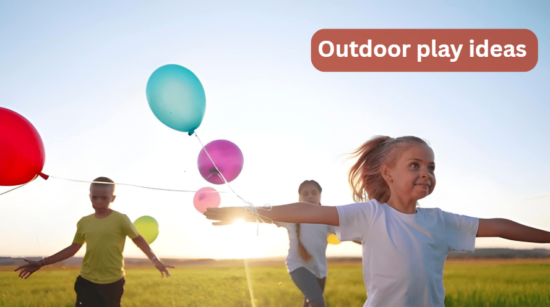
What makes Outdoor play ideas so valuable is that they don’t feel like learning or exercise to children. They feel like normal play. But while they are playing, something else is happening in the background. They are moving more, thinking faster, making decisions, and figuring out how to interact with the world around them.
This guide goes through simple Outdoor play ideas that parents can actually use in real life without stress, planning, or extra cost. These are everyday activities that support movement, learning, and creativity in a natural way.
1 Why outdoor time matters more than people realize
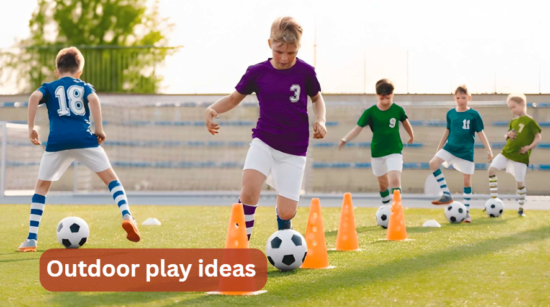
At first, outdoor play might look like just a way for kids to release energy. But Outdoor activities and play ideas actually affect a child’s development in deeper ways than most people notice.
When kids are outside, they move in a very different way compared to being indoors. They don’t just walk or sit. They run, stop suddenly, change direction, jump over small things, climb, and balance. All of these movements build strength and coordination without any formal training.
There is also a thinking side that happens naturally. Kids are constantly making small decisions while playing. Where to go next, how to react, what to do if something changes, or how to handle another child in the game. These small moments slowly build problem solving skills without any instruction.
In many schools in the United States, teachers use something called Play-based learning. It simply means children learn better when they are actively doing things instead of just listening or sitting still. Outdoor play ideas fit into this approach naturally because kids are already exploring, moving, and reacting while they play.
Parents also notice something important over time. After outdoor play, children are usually calmer. They are less restless, more balanced, and often sleep better at night. It is not a coincidence. Their body is simply getting the movement and stimulation it needs.
2 Movement based outdoor activities for daily energy
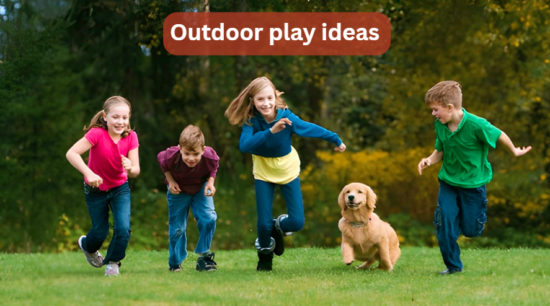
One of the easiest ways to use Outdoor activities is through simple movement games. No setup, no planning, nothing fancy.
Games like tag, chasing each other, or short races usually work right away. Kids get into them quickly because there’s speed, energy, and no waiting around.
And this is really where Play-based learning shows up without anyone trying. Kids are not being taught in a formal way, but they’re still learning while they run, react, follow rules, and figure things out in the moment. It just happens through play, not instruction.
You can also turn walking into a small challenge. Draw a line on the ground or simply imagine one and ask kids to walk on it carefully without stepping off. Something that simple can hold their attention much longer than expected.
Another easy idea is building a small obstacle path. You don’t need anything fancy. A chair to step around, a stick to jump over, or a small object to balance on is enough. Kids naturally turn it into a game and repeat it again and again.
These Outdoor play concepts work well because they don’t feel like exercise. Kids don’t see it as something they “have to do.” They see it as play, which is why they stay engaged longer.
3 Exploring nature for outdoor activities around us
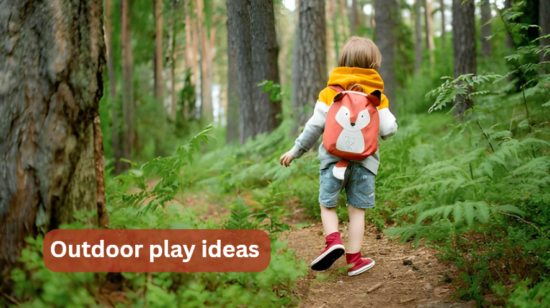
Nature is one of the easiest places to use Outdoor activity ideas without overthinking it.
Kids just start picking things up on their own. Leaves, small stones, flowers, sticks. It does not look like much, but they are actually paying attention in a way they normally don’t indoors. They start noticing shapes, textures, and small differences without being told to do it.
A simple walk can turn into something more interesting if you guide it a little. Ask them to find something soft, something rough, something green, or something they have never noticed before. Suddenly it is not just walking anymore. It becomes a small game of looking closely at what is around them.
Sometimes parents also get ideas from Fun activity giveaways ,using simple prompts or small challenge ideas during walks to keep kids engaged without turning it into something planned or structured.
Kids also start asking questions without being prompted. Why do leaves change color. Why do ants move in lines. Why do birds fly together. These questions are important because they show natural curiosity, which is the base of learning.
Nature based Outdoor play ideas also help slow children down. Instead of rushing from one thing to another, they begin to notice sounds, textures, movement, and small details in their surroundings.
This kind of awareness builds patience over time without forcing it.
4 Creative outdoor activities using everyday things
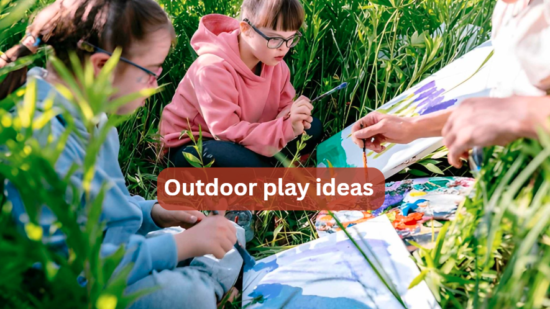
Creativity does not need expensive tools. Some of the best Outdoor activity ideas come from very simple things.
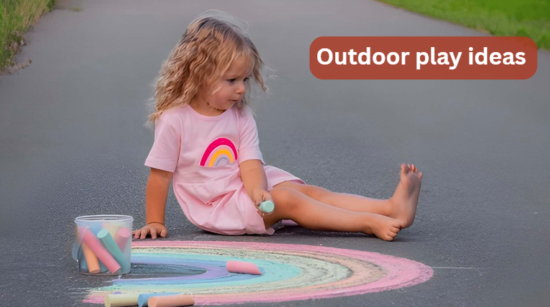
Sidewalk chalk is a great example. Kids draw shapes, games, roads, or even entire imaginary worlds on the ground. Sometimes they follow rules they create themselves.
Some parents also come across simple activity inspiration from Parenting giveaways , where small ideas or prompts are shared that help them keep outdoor time fun without planning anything complex in advance.
Water play is another simple option. A bucket, cup, or garden hose can easily turn into hours of activity. Kids pour, mix, splash, and experiment naturally without needing instructions.
Even basic natural items like sticks and stones become tools for imagination. Children build small houses, pretend cities, or patterns on the ground.
At this stage, some parents also look for Indoor kids activities when outdoor play is not possible due to weather or time constraints. It helps maintain balance between indoor and outdoor engagement.
The interesting part about Outdoor play options like these is that children express themselves differently. Some talk a lot while playing. Others stay quiet and focused. Both are completely normal ways of engaging.
5 Group play activities for interaction and social skills
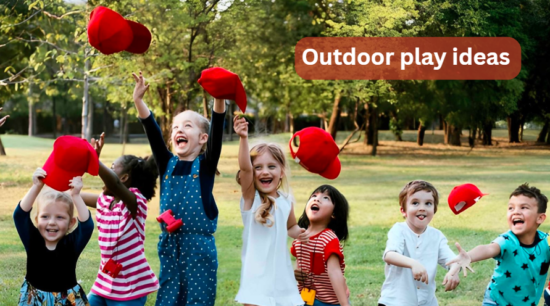
When children play together,social play ideas become more social and dynamic.
Simple games like hide and seek or passing a ball help kids learn basic social rules. They learn how to take turns, follow instructions, and stay fair during play.
Sometimes disagreements happen naturally. One child might feel a rule is unfair or want to change something. Instead of stopping the game, children usually work it out and continue playing. These moments are small but important for learning how to handle real situations.
Group play also helps shy children.They don’t need to talk much at first. They just join the activity, and communication happens naturally through movement and shared rules.
Over time, this builds confidence in social environments.
6 Outdoor activities that support learning without pressure
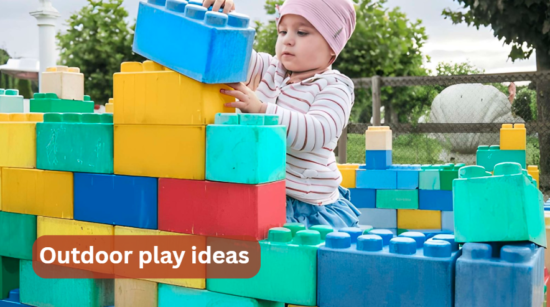
One of the strongest benefits of Outdoor learning activities is how naturally they support learning.
Counting steps while walking, naming objects outside, or comparing sizes of leaves all help build early math and language skills.
The important thing is that it doesn’t feel like studying. Children are not sitting with books or worksheets. They are moving, exploring, and learning through real experiences.
Some parents also find simple inspiration from inventive lwmfcrafts , where small creative activity ideas are shared that can be adapted for outdoor learning and play in an easy, everyday way.
This is why many educators prefer outdoor learning environments. Children remember things better when they connect ideas to physical objects or movement.
Learning outside feels lighter. Kids don’t even realize they are learning. They are just playing, observing, and reacting.
7 Physical benefits of Outdoor play ideas
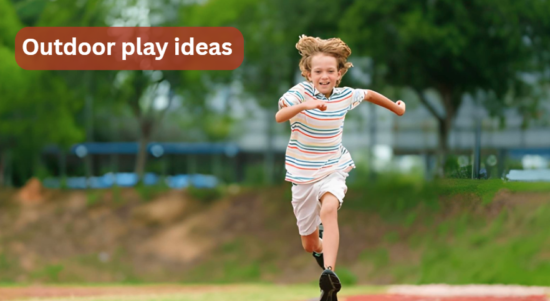
One of the most noticeable things with Outdoor play concepts is how much they affect a child’s body over time.
Kids run, jump, climb, balance, and move in all sorts of ways without even thinking about it. It doesn’t feel like exercise to them, but their body is still getting stronger through all that movement.
Some parents also come across simple ideas through give away ,where small activity tips and playful outdoor inspiration are shared that can be used in everyday family routines without any setup or planning.
Even short time outside makes a difference. You can see it when they come back inside. They’re not just tired. They’re more settled. Their energy feels more balanced instead of all over the place.
And honestly, the biggest thing is space. When kids are not being told every second what to do, they start using their body in their own way. That’s where real physical growth happens without forcing anything.
8 Outdoor activities through different seasons
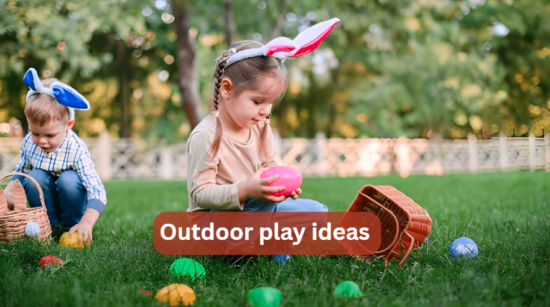
Outdoor play options never really stay the same all year, and that’s actually part of why kids don’t get bored of them.
When it’s warm, they usually end up doing water play or staying outside longer without feeling tired too quickly. On cooler days, things slow down a bit. They might walk more, pick up leaves, or just explore whatever is around them.
Every season changes the feel of things outside. The air, the light, even the ground under their feet feels different. Kids notice all of that naturally. They don’t need anyone to point it out.
And that small change in environment keeps outdoor play from feeling repetitive. It always feels a bit new, even if they’re doing similar things.
Conclusion
Outdoor play ideas don’t need anything complicated behind them.They help kids move more, think more, and interact better without turning it into something formal or forced.
But the real value is simple. Kids get time outside where they are not being directed all the time. They just move, explore, try things, and figure things out in their own way.
And those are usually the moments they remember most, even if it didn’t look like anything special at the time.