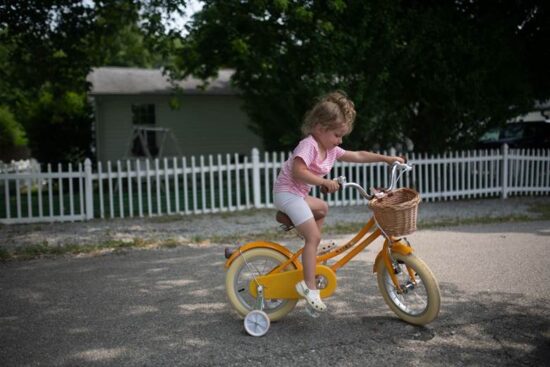
Few childhood moments feel as big as when a kid finally rides a bike on their own. You can see the focus on their face, the shaky start, and then that proud smile when they find their balance. It’s something parents remember for years.
But it doesn’t just happen on its own. It begins with picking the right bike. For kids aged 3 to 6, a 40cm (16-inch) wheel size usually fits their size and developmental stage. A bike that’s too heavy or too tall can make things harder, while the right one helps them learn faster and enjoy every moment.
Weight Matters More Than Most Parents Realise
Children aged three to six lack the upper-body strength adults take for granted. A bike that feels light to an adult can represent a significant percentage of the child’s body weight. Heavy bikes are more difficult to steer, stop, and pick up after the inevitable topple during the learning phase.
Lightweight frames, typically made from aluminium rather than steel, allow young riders to develop control more quickly and transition to independent riding with greater ease.
Additionally, a lighter bike reduces fatigue, allowing for longer practice periods and quicker skill improvement. When comparing 40cm bikes for young riders, frame weight should be one of the first specifications checked, not an afterthought behind colour and graphics.
Why 40cm is the Sweet Spot for Young Learners
A 40cm (16-inch) wheel size works well for most kids between three and six years old, usually those around 105 to 120 centimetres tall. It gives them enough stability without making the bike too heavy or awkward to handle. At this stage, children are still learning to pedal, steer, and balance at the same time, so having a bike that feels manageable really matters.
When the bike fits properly, kids can sit comfortably and place both feet flat on the ground. That small detail makes a big difference, helping them feel secure and more willing to try. Many parents make the mistake of choosing a bigger bike so their child can “grow into it,” but that often backfires.
A correctly sized bike allows the child to maintain proper posture and control, which are essential for developing safe riding habits from the beginning.
A bike that’s too large can feel intimidating and harder to control, slowing progress. The right size, on the other hand, builds confidence and makes learning smoother and more enjoyable.
Training Wheels Serve a Purpose — Then They Need to Go
Most 40cm bikes come with removable training wheels, and they can be useful at the start. For kids who aren’t ready to balance on their own yet, they provide support while they learn how to pedal, steer, and brake. This allows children to become familiar with how a bike operates before introducing the added challenge of balance.
Training wheels are best viewed as a short-term learning aid rather than a long-term solution.
Knowing when to remove the training wheels is just as important as using them correctly. It helps to watch for signs that your child is ready, such as leaning slightly when turning, pedalling confidently without staring at their feet, or becoming frustrated with how the extra wheels restrict movement.
Removing them too soon can make a child feel anxious, while leaving them on too long can slow their progress. Instead of following a strict age guide, paying attention to how your child rides tends to lead to a smoother, more confident transition.
Braking Systems Should Match the Child’s Capability
Young kids don’t have much hand strength yet, which can make using hand brakes tricky. That’s why many good 40cm bikes include a rear coaster brake, activated by pedalling backwards, along with a front hand brake.
The coaster brake gives kids a simple, reliable way to stop without needing a strong grip, while the hand brake gradually introduces a skill they will use on larger bikes later.
Introducing braking in stages supports safer skill development and reduces the risk of panic stopping as speed increases.
It is also important to teach proper braking from the start. Many children naturally try to stop by dragging their feet, which quickly wears down shoes and becomes unsafe as they gain speed. Taking time to practise braking makes a noticeable difference.
Simple drills, such as riding toward a marked spot and stopping smoothly, help build confidence and control. Over time, this repetition creates muscle memory, so stopping becomes automatic rather than reactive.
Helmets Are Non-Negotiable From the First Ride
In Australia, children are required by law to wear an approved helmet when riding on roads and public paths. It is best to make this part of the routine from the very first ride, even in the driveway.
When kids grow up always wearing a helmet, they are less likely to resist it later. If they become used to riding without one early on, they may push back when it becomes necessary.
A properly fitted helmet that meets Australian Standards significantly reduces the risk of head injury and should be treated as essential equipment, not an optional accessory.
The straps should be snug beneath the chin, and the helmet should sit level on the head rather than tilted back. As a guide, there should be no more than two finger-widths between the helmet and the eyebrows. Taking a few minutes to get the fit right helps keep them comfortable and protected every time they ride.
The Right Bike Creates a Lifelong Cyclist
Children who learn to ride on an appropriate, well-fitted bike develop a positive relationship with cycling that extends well beyond childhood.
Early riding experiences play a key role in shaping a child’s confidence, coordination, and willingness to stay physically active.
The confidence built during those early sessions transfers to larger bikes, longer rides, and eventually independent transportation that serves them through adolescence and adulthood. Choosing the right first bike, with the correct size, manageable weight, and appropriate features, is an investment in a skill and a source of enjoyment that can last a lifetime.Read More at https://lookwhatmomfound.info/