
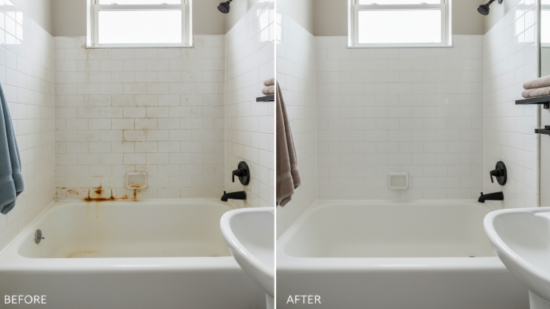
On a cold Ridgewood morning, “clean enough” can feel impossible. You scrub the tub, rinse it, and step back only to see the same dull finish, stubborn stains, and tiny chips that make the whole room look tired. In many Queens homes, especially older apartments and rowhouses, the bathtub is the biggest surface in the bathroom. When it looks worn, everything else feels worn, too. That’s why so many local homeowners start looking into Bathtub Reglazing as a real “before and after” solution without the noise and chaos of ripping everything out.
Bathtub Reglazing Ridgewood, NY: Before and After Results That Change the Whole Room
What “Before” Usually Looks Like and What “After” Should Feel Like
A true before-and-after transformation is not just about making a tub “whiter.” The “before” is often a mix of problems that build up over years: a finish that looks chalky, stains that never fully fade, scratches from cleaning, and small chips that catch the light the wrong way. Even if the tub is structurally fine, it can look permanently dirty especially under bright bathroom lighting.
The “after” should feel different the moment you walk in. A properly resurfaced tub has a smooth, even finish that reflects light like a clean enamel surface. White Glove explains reglazing as a resurfacing process where the surface is sanded, chips and cracks are repaired, bonding primer is applied, and finishing materials are sprayed in multiple coats to cure into a hard finish that looks and feels like enamel.
That “after” effect matters in Ridgewood because many bathrooms are compact. In smaller spaces, big visual surfaces like the tub and surrounding tile do most of the “design work.” Ridgewood’s housing stock includes many early-1900s buildings and walk-ups, where bathrooms can be narrow and layouts are set. Upgrading surfaces often delivers more impact than trying to redesign the entire footprint.
A helpful way to picture the change is to compare what you can see and what you can live with day to day:
| Detail You Notice Every Day | Common “Before” Problem | Realistic “After” Result |
| Surface shine | Dull, uneven sheen | Uniform gloss that reflects light |
| Color | Yellowing, stains, blotches | Cleaner, more consistent color appearance |
| Texture | Rough spots, tiny chips | Smoother feel after repairs and coating |
| Cleaning effort | Looks dirty again fast | Easier wipe-down with gentler cleaners |
| Grime lines nearby | Caulk/grout look tired | Often improved when paired with tile work and recaulk/regrout |
This is also where related services can amplify the results. A refreshed tub beside worn tile can still read as “half-renovated,” which is why many Ridgewood homeowners pair tub work with Bathroom Tile Reglazing and targeted grout and caulk refreshes. White Glove highlights how regrouting and recaulking can help the bathroom look “brand new” after surfaces are restored.
What Bathtub Reglazing Really Is and Why It Works
At its core, professional surface restoration is about building a new finish on top of an existing fixture that is still structurally sound. White Glove describes reglazing as a resurfacing process that includes thorough sanding, repairing chips and cracks, applying a bonding primer, and spraying finishing materials in multiple passes that cure into a hard enamel-like finish.
That explanation matters for expectations. The biggest “before and after” wins usually come from tubs that are ugly but solid, especially older, heavy tubs found in many New York City homes. As Bob Vila notes, older tubs, especially sturdy cast-iron models are often candidates for refinishing rather than replacement.
It also helps explain why professionals take prep so seriously. The new coating is only as good as the surface underneath it. When prep is rushed, the result can fail early. White Glove points out that doing reglazing correctly requires experience and proper tools, and they also warn that the solvents and bonding agents involved can have harmful fumes one reason they recommend working with experienced pros instead of treating it as a casual DIY project.
The Process in a Ridgewood Bathroom From Prep to Final Finish
Most homeowners only see two moments: the “before” and the “after.” The work in between is where the quality gets decided.
In a typical job, the bathroom is protected and the surface is prepped. White Glove describes the key technical steps: sanding the surface, repairing cracks and chips, applying a bonding primer, and then spraying the finishing substances multiple times so they cure into a hard finish.
Timing matters, too. White Glove’s own before-and-after materials state that bathtub reglazing generally takes about 2–4 hours depending on the tub size and damage. Outside manufacturers and resurfacing-industry sources commonly describe a same-day workflow with a cure window afterward; for example, Hawk Research Labs notes resurfacing is often completed in one day and the tub may be usable again in as little as 24 hours.
That shorter timeline is a big deal in Ridgewood apartments where neighbors are close and bathrooms may be shared. Replacing a tub can turn into a multi-day demolition project; surface restoration aims to avoid that disruption.
Just as important as speed is safety. White Glove directly warns that the chemicals used can contain toxic compounds and that fumes can be harmful, which is why ventilation and professional handling are part of what you are paying for.
Reglazing vs Full Replacement In NYC Reality
The first instinct is often: “Let’s just replace it.” But in New York City, replacement can snowball.
On cost, national pricing data puts professional refinishing far below replacement. HomeAdvisor reports a typical bathtub refinishing range of about $337 to $631, with a national average around $483, and notes that final price depends on factors like tub material, size, and location. Angi frames the gap even more sharply, estimating the average to refinish around $490 compared with about $5,700 to replace. The Spruce similarly reports bathtub replacement averages around $5,990 with a wide range depending on tub type, labor, plumbing changes, and removal.
Replacement also risks hidden costs. Angi notes that water damage is sometimes discovered when the old tub or shower is removed, and repair costs can be significant. That risk is one reason some Ridgewood homeowners start with surface restoration when the tub itself is still solid.
There’s also the paperwork side. The NYC Department of Buildings explains that most kitchen and bathroom renovations require an ALT2 permit application filed by a licensed design professional (PE or RA). While simple fixture replacements can be considered cosmetic under DOB plumbing guidance if you are not altering valves or traps, bigger scope changes often push a project into permit territory. The practical takeaway is simple: if your goal is a visible upgrade without turning the bathroom into a construction zone, reglazing can be a smarter first step.
Maintenance Tips That Protect the “After” Look
The transformation only stays impressive if the finish gets the right care. Two themes show up again and again in good guidance: keep cleaning gentle and avoid abrasion.
The Spruce notes that refinished surfaces are more delicate than factory finishes and should not be cleaned with abrasive materials or scouring powders; it recommends using non-abrasive cleaners and gentle tools instead. White Glove gives similar guidance for tile surfaces, saying longevity depends on care and specifically calls out periodic cleaning and avoiding abrasive substances or cleaning products.
In real life, the habit that protects the “after” finish is simple: use a soft sponge or cloth, skip gritty powders, and stay consistent. If you have hard-water buildup, treat it early instead of scrubbing harder later.
How Tile Reglazing and Shower Reglazing Complete the Before-and-After
A Ridgewood bathroom rarely has only one tired surface. Many older bathrooms have wall tile that has faded, stained grout lines, and shower areas that look worn even when they are clean. This is why Tile Reglazing is often paired with tub work: it helps the whole room shift from “patched” to “updated.” White Glove describes tile reglazing as sanding the surface, applying bonding agents and primers, and then applying coating materials that leave a finish that looks like the original tile surface.
If your shower surround is the main eyesore, Shower Reglazing can deliver the same kind of “after” moment especially when the stall or base looks dated but isn’t leaking. White Glove’s service materials list shower-related refinishing options, including shower base refinishing and tile shower stall surfaces, as part of their overall refinishing offerings.
For many Ridgewood homeowners, the most satisfying transformation is bundled: Bathroom Tile Reglazing on the surround, Shower Reglazing where the stall needs help, and the tub finish brought back to a clean, uniform look so the entire bathing area feels consistent. White Glove also emphasizes that regrouting and recaulking can boost the “new bathroom” effect once the surfaces themselves are restored.
If you want the “after” to photograph well, think in surfaces, not just fixtures. When the tub is glossy but the tile is still stained, your eye goes straight to the contrast. When Bathroom Tile Reglazing and Tile Reglazing are done alongside the tub, the whole space reads as brighter and more balanced.
Ridgewood, NY Details That Matter When Planning Your Project
Local context changes what “smart” looks like. Ridgewood’s housing includes many early 20th-century buildings, and a lot of homes still have older bathrooms where a full remodel can be complicated by tight layouts, shared plumbing stacks, and building rules. That’s where professional resurfacing becomes especially practical: it targets what you see and touch without forcing a redesign of a footprint you can’t easily change.
If you want a local team for this kind of work, White Glove Bathtub And Tile Reglazing lists a Queens location at 1726 Madison St, Ridgewood, NY 11385, and uses the Queens phone line (718-618-6882) for calls. Their Queens service page also frames reglazing as a way to renew surfaces instead of replacing them, positioning it as a cost-saving choice in many cases.
When you plan the scope, it’s worth thinking about the full “wet zone.” A tub can look amazing, but if the shower walls and floor tile still look worn, you may want Shower Reglazing and Bathroom Tile Reglazing so the before-and-after is obvious the second someone opens the door.
Conclusion and Call to Action
The best remodels are not always the ones that start with demolition. Sometimes the biggest change comes from restoring what you already have especially in a Ridgewood bathroom where space is tight and downtime matters. If you want a dramatic before-and-after without committing to a full replacement project, Bathtub Reglazing paired with Bathroom Tile Reglazing, Tile Reglazing, and Shower Reglazing can deliver that clean, modern look people notice right away.
To talk through your bathroom’s “before” and what a realistic “after” could look like, contact White Glove Bathtub And Tile Reglazing at 718-618-6882, and you can also view their local listing here: White Glove Bathtub And Tile Reglazing on Google Maps.
Are you ready to transform your bathroom with professional bathtub reglazing in Ridgewood, NY? Read More at https://lookwhatmomfound.info/