
In many schools across the United States, learning still looks the same as it did years ago. Children sit quietly, listen to instructions, copy notes, and try to remember information for tests. This method is often called traditional learning. It focuses more on memorizing facts than understanding how things work in real life.
But children are not designed to learn only by sitting still. They learn by touching, moving, exploring, and asking questions. They learn by trying things, making mistakes, and trying again. That is where Play-based learning becomes important.
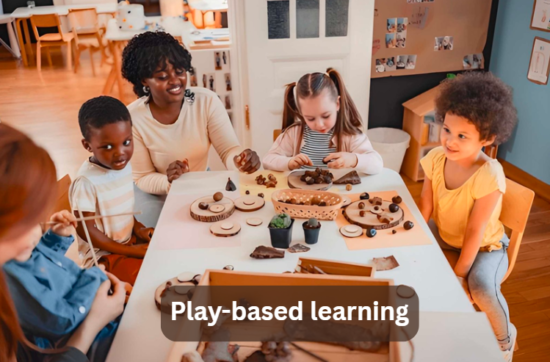
Play-based learning uses activities, games, stories, and hands on experiences to teach children. It does not separate play from learning. Instead, it combines both. When children play, they are actually learning about problem solving, communication, emotions, and creativity at the same time.
Many educators and parents in the United States are now noticing that learning through play helps children stay more interested and understand things better. It is not just about fun. It is about building real thinking skills that last longer than memorized answers.
In this article, we will look at nine simple and clear reasons why Play-based discovery often works better than traditional methods. These reasons are based on how children naturally grow, think, and learn in everyday life.
1. It matches how children naturally learn
Children do not learn in straight lines. They explore first and understand later. If you watch a young child, they will pick things up, test them, drop them, build them again, and keep experimenting without needing instructions.
Play-based learning follows this natural behavior. Instead of forcing children to memorize rules first, it lets them experience ideas directly.
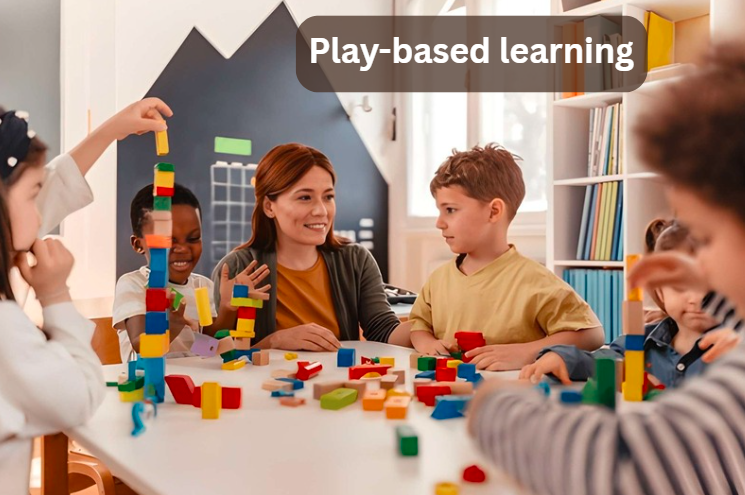
For example, when a child stacks blocks, they are learning about balance, size, and cause and effect. They do not need a lecture about physics to understand it. The experience teaches them naturally.
Traditional methods often reverse this process. They explain first and let children practice later. But young minds understand better when they discover things on their own.
This is one of the strongest reasons learning through play works better than traditional methods. It respects how the brain naturally develops.
2. It improves communication in a natural way
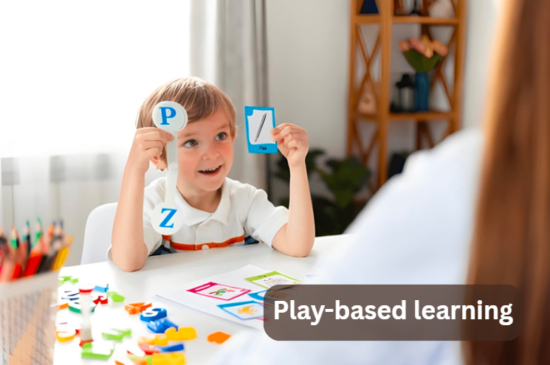
Children talk more when they are playing. They explain their ideas, negotiate rules, and express feelings without being told to do so.This is real communication practice.
In traditional classrooms, children often stay quiet most of the time. They only speak when asked a question. This limits natural language growth.
During Play-based learning, communication happens all the time. Children listen to each other, respond, and adjust their ideas. They learn new words in real situations instead of memorizing lists.
For example, while playing a simple store game, children may use words like “buy,” “sell,” “price,” and “money” naturally. They understand meaning because they are using it in context.
This is another reason activity-driven learning is more effective. It turns language into experience instead of theory.
3. It builds emotional strength
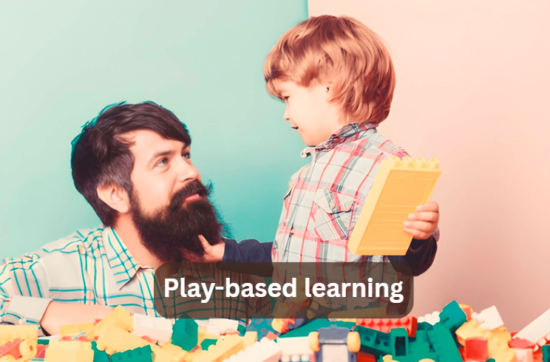
Children feel a lot in a single day. One moment they are happy because something works. Next moment they are upset because it breaks or doesn’t go their way. Then they get excited again when they figure something out.
Play gives them space to go through all of that without pressure. They don’t have to “control” their feelings or pretend everything is fine. They just experience it, deal with it in the moment, and move on. Slowly, they start understanding their emotions better instead of getting overwhelmed by them.
At home, parents usually just need small, simple ideas to support this kind of learning. Some even reach out or check resources like contact when they’re looking for easy, real-life ways to keep kids engaged without turning everything into formal teaching.
If a tower falls or a game does not go their way, they learn how to handle disappointment. Instead of feeling pressure, they simply try again.
Traditional learning often focuses on right or wrong answers. This can create fear of mistakes. Children may hesitate to try new things because they do not want to fail.
Learning through exploration removes that pressure. Mistakes become part of the process, not something to avoid.
This emotional safety is a major reason Play-focused education works better than traditional methods in early education.
4. It encourages creativity without limits
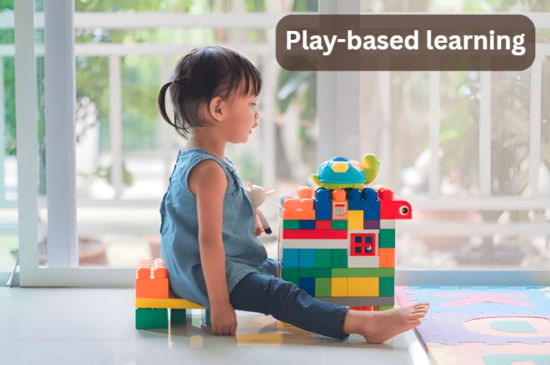
Creativity does not grow in strict environments. It grows when children have freedom.
During play, children can turn simple objects into anything they imagine. A stick becomes a microphone, a box becomes a house, and a blanket becomes a tent.There are no fixed answers in play.
Traditional methods often focus on one correct solution. This can slowly reduce creative thinking because children start looking for approval instead of exploring ideas.
Creative exploration encourages imagination. Children learn that there can be many answers to one problem.
This freedom is one of the strongest benefits of Play-centered learning because creativity is needed in almost every part of life.
5. It strengthens problem solving skills
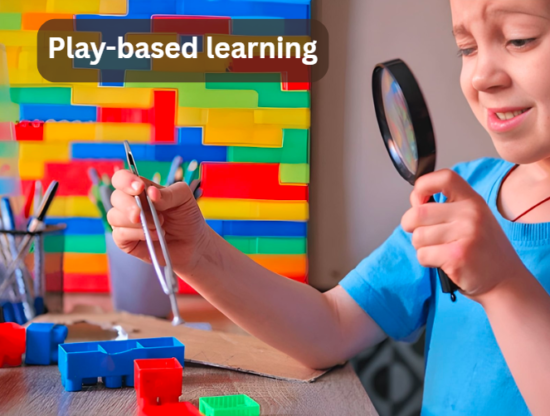
Problem solving doesn’t really come from memorizing steps. Kids don’t learn it by being told what to do over and over. It comes from actually doing things and dealing with what happens.
When children play, problems just show up on their own. A tower falls. A game doesn’t work the way they thought it would. Or they try something and realize they need to change it a bit. In those moments, they start thinking for themselves instead of waiting for someone to step in with the answer.
Even something simple like a Contest for kids can help with this. Kids try things, see what works, and adjust without feeling pressure.
Children learn to fix these problems by trying different solutions. They do not wait for instructions. They test ideas and learn from results.
Traditional methods often give step by step answers. While this helps in structured exams, it does not build independent thinking.
6. It supports physical development
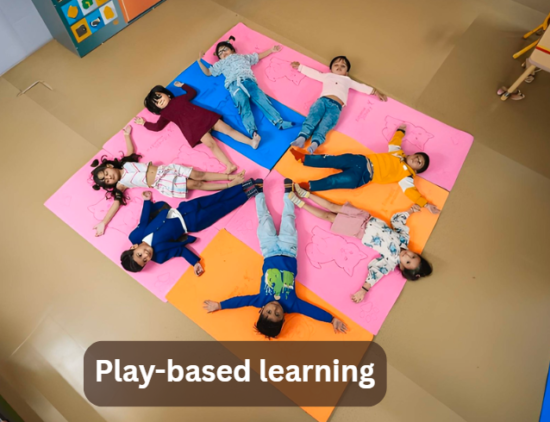
Children need movement. Sitting for long hours affects their attention and energy levels.
Play-centered education learning includes movement naturally. Running, jumping, building, drawing, and acting all support physical growth.
This movement also supports brain activity. When children move, they become more alert and focused.
Traditional classrooms often limit physical activity, which can make learning feel tiring.
Active play keeps both the body and mind engaged, making learning more effective.
7. It increases motivation and interest
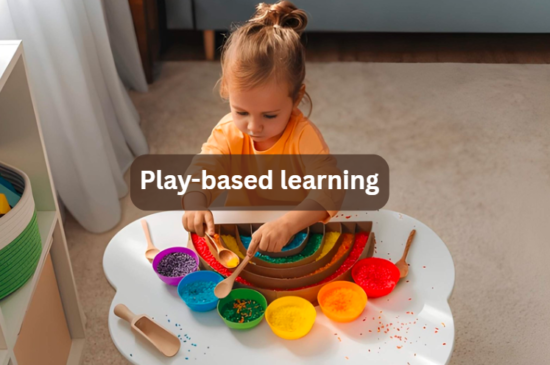
Maintaining children’s interest is one of the most difficult tasks in school. Learning through discovery solves this by making learning feel enjoyable.Youngsters don’t feel compelled to learn. They have the impression that they are exploring.
Children may concentrate for long amounts of time without feeling under pressure when learning is pleasant.
Conventional approaches can occasionally seem monotonous. Over time, memorization and worksheets may cause interest to wane.
Curiosity, not pressure, is what propels learning in play-focused activities.
This is why many educators in the United States now include Play-based programs in early childhood programs.
Parents also support engagement through activities like Fun activity giveaways which keep learning fun at home.
8. It helps children work better with others
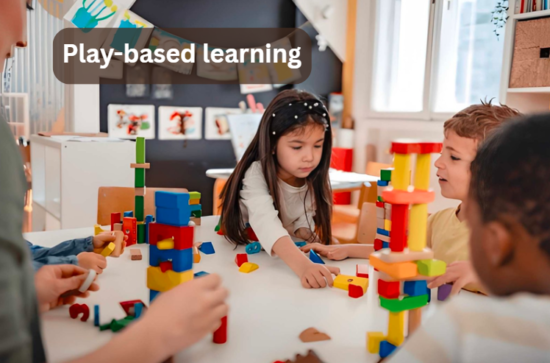
Life is not an individual activity.Children must be taught how to collaborate with others.During play, they naturally learn teamwork. They share ideas, divide roles, and solve disagreements.
Traditional learning usually keeps things very individual. Each child works alone, finishes their own worksheet, and gets judged on their own answers. Because of that, they don’t really get much real practice working with other kids in a natural way.
It doesn’t function that way in play. Children must deal directly with one another. They talk, argue a little, agree, change their minds, and figure things out together. Nobody is really “teaching” them teamwork in that moment, but they still learn it. They start noticing that listening to others actually helps things go smoother.
Even simple family or community activities can create that same feeling. Family giveaway events are one example where kids mix, share, and interact without feeling like they are being tested or judged. It just happens naturally while they’re having fun.
9. It prepares children for real life
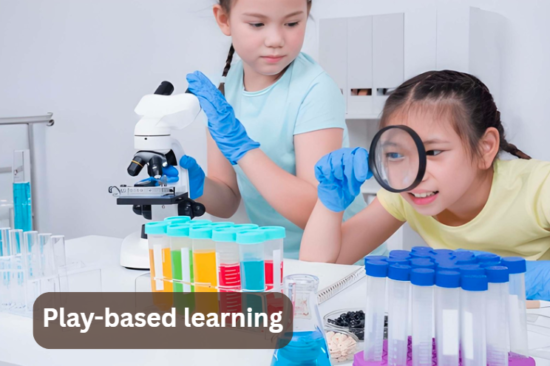
The most important reason learning through experience works better than traditional methods is its connection to real life.
Children learn skills they will actually use in the future. They learn how to think, communicate, adapt, and solve problems.
Traditional learning focuses heavily on exams and grades. While important, these do not fully prepare children for real world situations.
Independence is developed through practical exploration. Youngsters pick up problem-solving skills without waiting for guidance.
This is what really helps kids later on. They don’t freeze up when something feels new. They’re used to trying things, messing up a bit, and figuring it out again.That gives you a level of assurance that comes from more than simply learning the answers by heart. It’s more like real life thinking.
At home, it doesn’t need anything complicated either. Most of it is just normal time with kids, but done in a slightly more playful way. Things like giveaway or how to make playful activities lwmfcrafts are just small examples of how everyday stuff can turn into learning without making it feel like school.
Conclusion
Honestly, play-based learning is just closer to how kids already behave. They don’t naturally sit still and learn from lectures. They move, they try things, they repeat, they get things wrong, and then they learn.
That’s why it sticks better.
Traditional learning still has its place for basics and structure, but it doesn’t always match how children actually grow up understanding the world.
With active discovery kids aren’t just memorizing stuff for a test. They’re actually going through it. And that’s what makes it stay with them longer.