
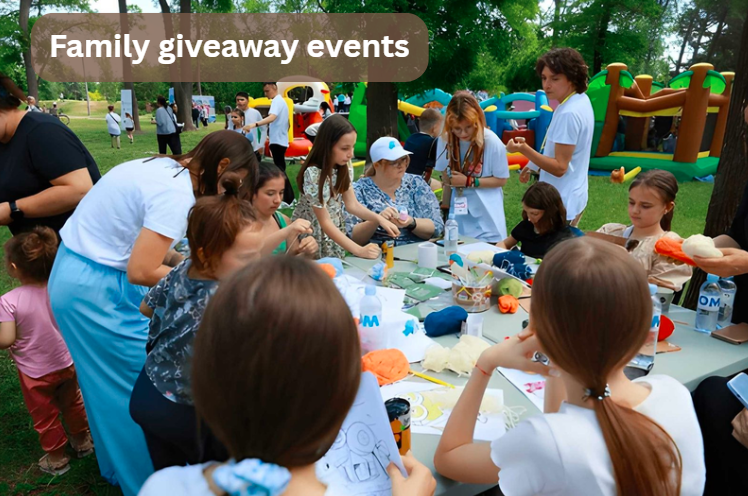
Family giveaway events are becoming more common in different communities, especially in the United States, where people are looking for simple ways to support families and bring neighbors together. These events are usually not complicated on the surface. People collect items, set a place, invite families, and share what they have. But when you actually try to run one, you quickly realize there’s more to it than just putting things on a table.
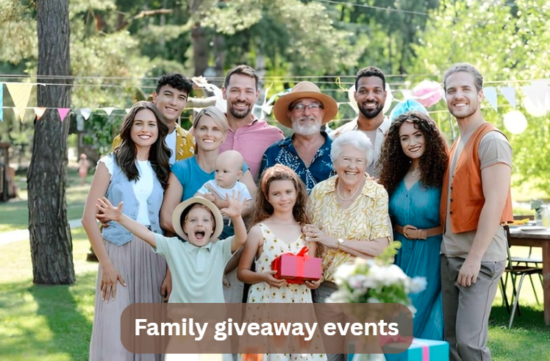
A well planned family giveaway events setup can make a big difference in how people experience the day. It can feel organized, welcoming, and helpful, or it can feel rushed and confusing if things are not thought through. The goal is not just to hand things out. It’s to create a space where families feel respected and included.
In this guide, we go through practical steps that help you plan giveaway events for families in a way that actually works in real life. No complicated theory. Just what matters when you’re trying to make the event smooth and meaningful for everyone involved.
1. Start with a simple purpose
Before anything else, you need to know why you are doing it. This sounds obvious, but many events fail because the purpose is not clear.
Some people organize family giveaway events to support low income families. Some do it to reduce waste by sharing extra items. Others just want to build a stronger local community. All of these reasons are fine, but you need to pick one main direction so your planning stays focused.
When the purpose is clear, everything else becomes easier. Even small decisions like what items to collect or what kind of activities to include start making sense. For example, if your focus is children, then kids giveaway ideas like toys, books, or school supplies become a natural fit. If your focus is general community support, then you may include a wider range of items.
Without a clear purpose, events often end up feeling random, and people notice that quickly.
2. Choose a time and place that fits families
Timing matters a lot for family giveaway events. If the day is wrong, people just don’t show up, no matter how good the setup is.
Weekends usually work better because parents are actually free and can come with their kids without rushing. School holidays are even better if your focus is children. Weekdays are usually tough since most families are busy with work and school, so attendance drops unless it’s a very specific group.
Location is just as important. It needs to be somewhere people don’t struggle to reach. Parks, school grounds, or community centers usually work because they already have space and people kind of know them.
And the small things matter more than people think. Parking should be simple. If it’s outside, a bit of shade helps a lot.The place also needs to be easy for strollers and older people to move around. If getting in or walking around feels like a hassle, people usually don’t stay long, even if the event itself is good.
3. Plan your budget in a realistic way
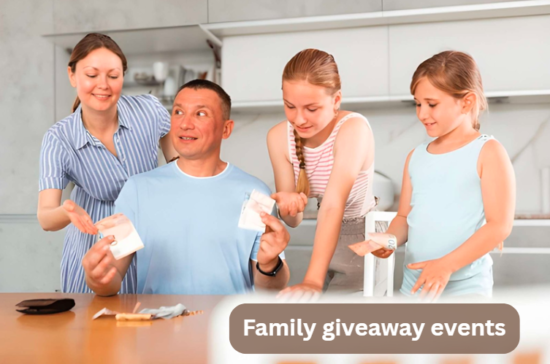
Money planning is not the most exciting part, but it is important.Even if most items are donated, there are still costs involved in giveaway events for families. You may need tables, chairs, banners, water, snacks, or basic supplies for activities. Sometimes you also need permits depending on location.
The mistake many organizers make is assuming everything will be free. That usually leads to last minute stress.
Instead, list out everything you think you might need. It does not have to be perfect. Just get a rough idea. Then see what can be donated and what must be covered through budget or sponsorship.
Some local businesses are often willing to support community giveaway events, especially if they know the event is community focused. It is worth asking early instead of waiting until the last moment.
4. Decide what you will actually give away
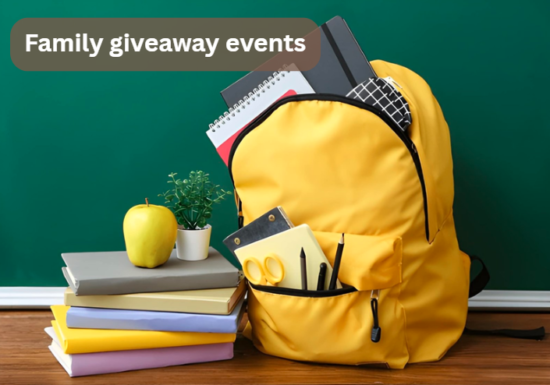
This is one of the most important parts of planning.If your giveaway events for families are not organized around clear items, distribution becomes messy. People get confused, volunteers get overwhelmed, and the event loses structure.
It helps to decide categories early. Some events focus on clothes. Some focus on food items. Some focus on toys or school supplies.
If children are part of your focus, then educational toy giveaways work very well because they are both useful and engaging. Items like books, puzzles, and learning games are usually appreciated by parents too.
The key is not to collect everything. It is better to have fewer categories that are well organized than a large mix that becomes difficult to manage.
5. Get volunteers who understand simple roles
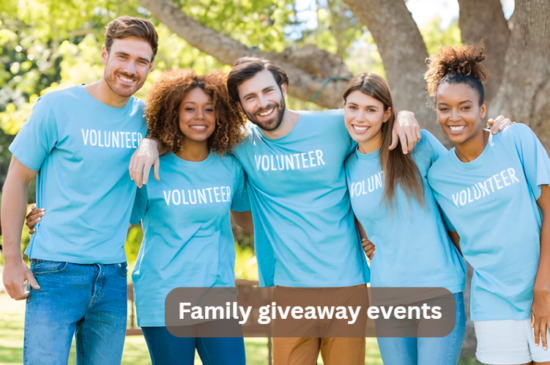
No matter how small the event is, you will need help.Volunteers are the backbone of family oriented giveaway events. They handle setup, guide families, distribute items, manage activity areas, and help with cleanup.
The important thing is not just having volunteers, but making sure everyone knows what they’re actually doing. When people are unsure, even small tasks start to feel messy.
One person can take care of registration. Someone else can handle handing out items. Another person can stay with the kids area or help parents find what they need through parenting giveaways, like school supplies or basic household items.
When roles are simple and clear, things don’t fall apart during the event. Most people actually don’t mind helping. They just need to know what’s expected so they’re not standing around guessing.
6. Share the event in a way people actually notice
Promotion is often underestimated.
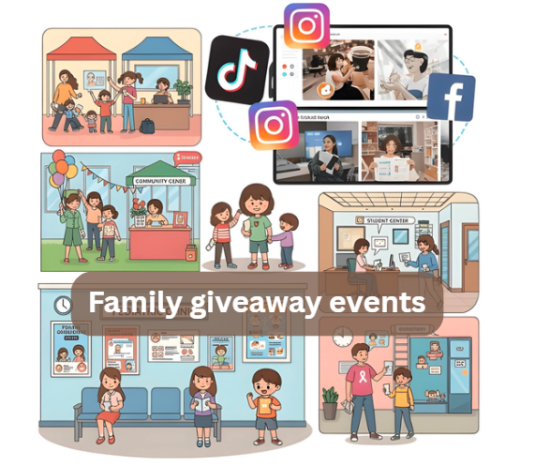
You can have a well planned setup for community based family giveaways, but if people do not know about it, attendance will be low.
Social media is usually the easiest place to start. Local Facebook groups, community pages, and Instagram posts help you reach families pretty fast. But don’t depend only on online posts.
Printed flyers still work in a lot of neighborhoods. Schools, churches, and local shops are also good spots to share the news. People notice them when they’re just part of their daily routine.
Keep the message simple. Most people don’t read long posts anyway. Just share the time, location, and what’s going to happen.
For example, if you’re adding kids activities, you can also include simple craft stations based on ideas like how to make playful activities lwmfcrafts. Things like that make the event feel more fun and give families something to actually do, not just pick up items and leave.
7. Add activities that keep families involved
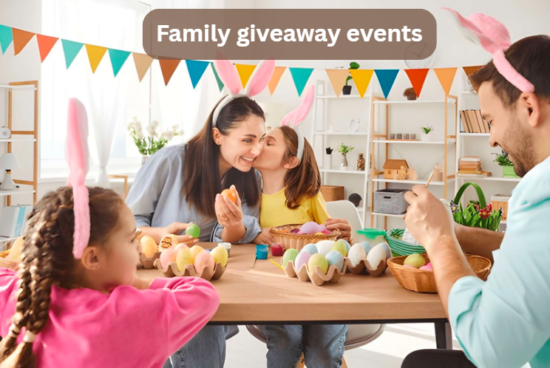
If people come only for items, they may leave quickly. But if there are activities, they stay longer and actually enjoy the time there instead of rushing out. Simple setups work best for community bases family giveaways.You don’t need anything expensive or overplanned. Just small, easy things that keep people involved and comfortable for a while.
You can include craft tables, simple games, or small competitions. A contest for kids is always a good idea because it keeps children engaged and gives parents some breathing space.
You can also include creative corners inspired by activities brought to you by lwmfcrafts, where families do simple hands on crafts together. These kinds of activities make the event feel more personal and less like a distribution line.
The goal is not entertainment for the sake of it. It is to make the space feel active and welcoming.
8. Keep food and drinks simple but available
Food changes how people experience the event.Even basic snacks or water make a difference. Families often stay longer when they do not have to leave for meals.
For community family giveaway events, you really don’t need anything fancy when it comes to food. Most of the time, simple things like sandwiches, fruit, or even packed snacks are enough.
If there’s a bit more budget or support from others, you can also bring in small local food vendors or ask for community donations. That usually takes some pressure off the organizers too.
The main thing is just making sure people aren’t standing around hungry or thirsty. When basic needs are taken care of, families naturally feel more relaxed and stay longer.
9. Focus on comfort and safety throughout the event
Safety does not need to be complicated, but it does need attention.Make sure there is enough space for movement. Avoid overcrowding tables. Keep walkways clear.
If the event is outdoors, think about weather conditions. Shade in hot weather, covered areas if rain is possible.
For indoor giveaway events for families, ventilation and seating matter more.
Having a basic first aid kit is also a good idea. Most issues are small, but being prepared helps keep things calm.
Comfort also includes emotional comfort. People should feel welcome, not rushed or judged while receiving items.
10. Capture the day in a simple way
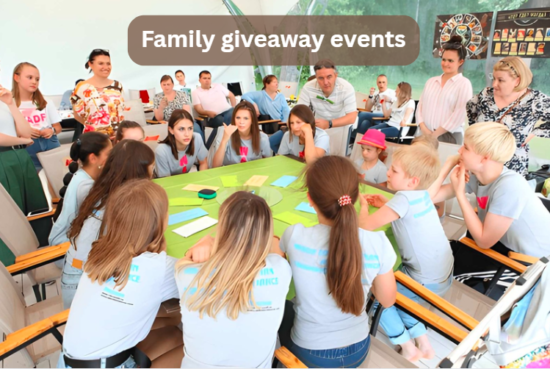
After all the planning and effort, it is easy to forget this part.Taking photos helps you remember what worked and what did not. It also helps when you plan future giveaway events for families because you can see how things were arranged.
You do not need professional photography. A few simple phone pictures of activities, volunteers, and families (with permission) are enough.
People can see real moments, not just announcements.
Conclusion
Planning family focused giveaway events is not about making something perfect. It is about making something useful and welcoming.
Things don’t seem as difficult when you truly understand why you’re doing them. The event usually takes care of itself if you keep the setup simple and treat guests with respect.
Most of it comes down to small choices. Picking a decent place, getting volunteers organized without confusion, not overloading things, and just making sure families feel comfortable when they show up.
It’s not really necessary to have a large budget or anything extravagant. What matters more is staying consistent and paying attention to the little details people usually ignore.
When it’s done right, family giveaway events stop feeling like just “distribution days.” People start looking forward to them because it feels more like a community thing where everyone actually cares a bit about each other.