
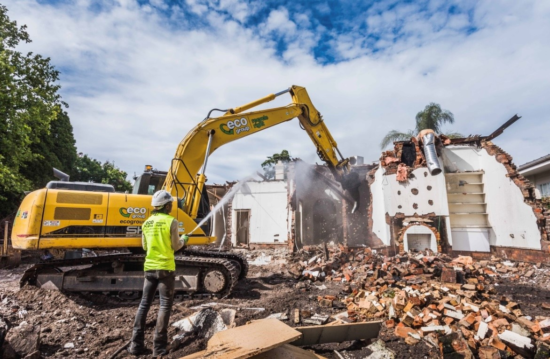
In the heart of Canada’s bustling cities and growing suburbs, the rhythm of progress often begins with a familiar sound: the controlled dismantle of outdated structures. Demolition, far from being mere destruction, serves as the critical first step in urban renewal, clearing space for innovative homes, vibrant communities, and resilient infrastructure. As our nation grapples with rapid population growth and the push toward greener living, the demolition industry stands at a pivotal crossroads. It’s evolving from traditional wrecking ball methods to sophisticated strategies that prioritize environmental stewardship, worker safety, and resource recovery. This shift not only minimizes waste but also aligns with broader national goals for sustainability.
For those embarking on a renovation or redevelopment project, understanding these changes is essential. Many start their journey by looking into a demolition company near me to gauge local expertise and options that fit their needs. This initial exploration helps demystify the process and highlights professionals who integrate eco-conscious approaches right from the planning phase.
The Environmental Imperative Behind Modern Demolition
Canada’s construction, renovation, and demolition sector contributes a staggering $141 billion annually to the economy, underscoring its vital role. Yet, this powerhouse also generates immense environmental challenges. Traditional demolition practices often result in landfills overflowing with debris, contributing to approximately four million tonnes of waste each year nationwide. Concrete, wood, metals, and other materials pile up, leaching pollutants into soil and water while demanding energy-intensive disposal.
The good news lies in emerging sustainable demolition techniques that flip this script. At the forefront is deconstruction, a methodical disassembly process that salvages reusable components rather than pulverizing everything. Imagine a building taken apart like a complex puzzle: doors, windows, lumber, and fixtures are carefully removed for reuse or recycling. This approach can divert up to 90 percent of materials from landfills, according to industry benchmarks. In practical terms, it means reclaimed bricks finding new life in heritage restorations or steel beams being melted down for fresh projects, closing the loop on resource use.
Why does this matter for Canadian projects? Our harsh winters and expansive geography amplify the need for durable, low-impact building cycles. Sustainable demolition reduces the carbon footprint associated with virgin material production, which accounts for a significant slice of construction-related emissions. By opting for these methods, developers contribute to national targets like net-zero emissions by 2050, fostering neighborhoods that are not just rebuilt but reborn with purpose.
Innovative Techniques Reshaping the Demolition Landscape
Gone are the days when demolition meant unchecked noise and dust clouds blanketing entire blocks. Today’s practices leverage technology and precision to enhance efficiency while curbing harm. Selective demolition, for instance, targets only specific elements of a structure, preserving the rest for adaptive reuse. This is particularly useful in mixed-use urban settings, where tearing down a facade might suffice without gutting an entire wing.
Robotic tools represent another leap forward. Compact demolition robots, equipped with hydraulic shears and crushers, navigate tight spaces with millimeter accuracy. They minimize human exposure to hazards like falling debris or unstable surfaces, allowing operations in confined downtown lots common across Canadian cities. Paired with advanced dust suppression systems, such as water-mist cannons and HEPA-filtered enclosures, these innovations keep air quality high, protecting nearby residents and ecosystems.
Then there’s the rise of modular deconstruction, where prefabricated components are designed for easy reversal. Forward-thinking architects now embed disassembly in blueprints, using connectors that snap apart rather than nails or welds. This trend streamlines the end-of-life phase, turning what was once waste into a stockpile of ready-to-deploy assets. For teams on the ground, it translates to faster timelines and lower costs, as sorted materials fetch premium prices in secondary markets.
Safety remains woven into every layer of these techniques. Comprehensive hazard assessments precede any work, identifying risks from asbestos, lead paint, or structural weaknesses. Workers don integrated PPE suites with real-time monitoring for air quality and vibration levels, ensuring compliance with rigorous occupational standards. These protocols not only safeguard lives but also prevent costly delays from incidents, keeping projects on track amid tight municipal schedules.
Navigating Regulations: A Framework for Responsible Demolition
Canada’s regulatory environment provides a robust backbone for these advancements, with federal and provincial guidelines steering the industry toward accountability. The Canadian Environmental Protection Act sets baselines for waste management, mandating recycling plans for large-scale demos. Provinces layer on specifics: Ontario’s Waste Diversion Act, for example, requires detailed reporting on material recovery rates, while British Columbia emphasizes zero-waste certifications for public projects.
Recent updates have sharpened this focus. Enhanced building codes now incorporate life-cycle assessments, evaluating a structure’s environmental toll from cradle to grave. This includes incentives for deconstruction, such as tax credits for salvaged materials, encouraging a cultural pivot from demolition to “unbuilding.” Municipal by-laws further refine the picture, with noise curfews and erosion controls tailored to local sensitivities.
For project managers, staying ahead means partnering with certified pros who navigate these rules seamlessly. Audits and permits form the gateway, but the real value emerges in streamlined approvals when sustainability metrics shine. Non-compliance, by contrast, invites fines or halts that ripple through budgets. By embedding regulatory savvy into operations, the sector not only avoids pitfalls but elevates its reputation as a steward of public trust.
Real-World Benefits: From Cost Savings to Community Gains
The payoff of sustainable demolition extends beyond compliance, delivering tangible wins for stakeholders. Economically, material recovery slashes disposal fees, which can run thousands per tonne in urban hauls. A mid-sized residential demo might reclaim $20,000 in sellable assets, offsetting labor and equipment costs. This recycling revenue loop bolsters profitability, making green choices a smart investment rather than an add-on.
Environmentally, the impacts compound positively. Reduced landfill use eases pressure on scarce space, while lower emissions align with Canada’s Paris Agreement commitments. Biodiversity benefits too: salvaged wood avoids deforestation, preserving habitats in regions like the boreal forest that supply much of our lumber.
Communities reap social dividends as well. Quieter, cleaner ops mean less disruption for schools and hospitals nearby, fostering goodwill. Revitalized sites often spark economic hubs, from affordable housing clusters to green spaces that combat urban heat islands. In one illustrative case, a Toronto warehouse conversion yielded 75 percent material reuse, transforming an eyesore into a mixed-income enclave that boosted local property values by 15 percent.
These outcomes underscore a broader truth: sustainable demolition isn’t niche; it’s the new standard for forward-looking development. It empowers builders to craft legacies that endure, balancing growth with guardianship of our shared landscape.
Looking Ahead: The Horizon of Demolition Innovation
As Canada hurtles toward a circular economy, demolition’s future brims with promise. Emerging tech like AI-driven site scans will predict optimal disassembly paths, optimizing for yield and safety. Drone surveys, already in play for preliminary assessments, will evolve to guide real-time operations, flagging hidden voids or contaminants.
Policy momentum will accelerate this trajectory. Federal grants for green infrastructure prioritize low-waste projects, while provincial R&D hubs incubate homegrown solutions. Expect deeper integration with smart cities, where IoT sensors track demo impacts live, enabling adaptive strategies.
For industry players, the call is clear: embrace adaptability. Training programs emphasizing hybrid skills, from robotic operation to material auditing, will define career paths. Collaborations across trades, blending demo with architecture and recycling, will unlock synergies that amplify efficiency.
In essence, sustainable demolition reimagines endings as beginnings. It honors the materials we’ve built with, the workers who handle them, and the lands they grace. By championing these practices, Canada positions itself as a global leader in resilient urbanism, where every teardown fuels tomorrow’s triumphs.
As we wrap up, consider this: the next phase of your project could pioneer these principles. With thoughtful planning and expert input, demolition becomes not an endpoint, but a catalyst for enduring progress.