
In an era where personal values shape every aspect of life, end-of-life decisions carry even greater weight. Cremation has emerged as a preferred option for many Canadians, reflecting shifts toward simplicity, affordability, and environmental mindfulness. With its roots in ancient practices yet adapted to modern needs, cremation offers flexibility that aligns with diverse cultural, spiritual, and practical preferences. As families grapple with these choices, understanding the inner workings of crematoriums becomes essential. This post explores the cremation landscape, from operational realities to thoughtful planning, empowering you to make informed decisions during a sensitive time.
For families prioritizing ease and minimal fuss, basic cremation services provide a respectful yet uncomplicated path forward, often handling arrangements with quiet efficiency. These options allow loved ones to focus on remembrance rather than logistics, setting the stage for more personalized tributes if desired.
The Cremation Process: A Step-by-Step Overview
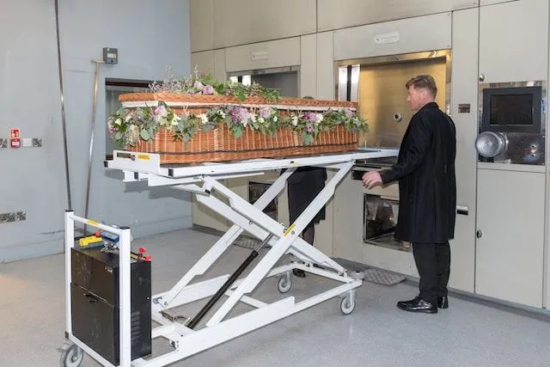
At the heart of cremation lies a process both scientific and solemn. Once a body arrives at a crematorium, trained staff verify identification through documentation and tags, ensuring accuracy every step of the way. The deceased is placed in a combustible container, typically a simple casket or alternative made from wood or cardboard, designed to facilitate the cremation without excess materials.
The cremation chamber, or retort, reaches temperatures between 1400 and 1800 degrees Fahrenheit. This high heat reduces the body to bone fragments and ash over two to three hours, a duration that varies slightly based on body size and container type. Modern equipment uses natural gas or propane, with advanced filtration systems capturing particulates to meet strict emission standards. After cooling, the remains undergo processing in a cremulator, a machine that gently grinds fragments into a fine, uniform powder resembling sand.
What follows is the return of these cremated remains, often in an urn chosen by the family. This powder, weighing about five pounds on average for an adult, holds profound significance, serving as a tangible link to the departed. Families might scatter them in meaningful locations, incorporate them into jewelry, or place them in columbaria for perpetual care. The entire sequence underscores cremation’s blend of technology and tradition, transforming loss into a form of release.
The Vital Role of Crematoriums in Community Care
Crematoriums stand as quiet pillars in Canada’s end-of-life ecosystem, operating under provincial oversight to uphold dignity and safety. Facilities range from standalone buildings to those integrated within funeral homes, each equipped with multiple retorts to handle community needs efficiently. In urban centers like Toronto or Vancouver, high-volume crematoriums process hundreds of cases monthly, while rural ones offer localized support with a personal touch.
Staff at these facilities bring specialized expertise, often holding certifications in anatomy, equipment operation, and grief support. Their role extends beyond mechanics; they guide families through paperwork, coordinate with coroners when needed, and ensure compliance with health regulations. For instance, in provinces like Ontario and British Columbia, crematoriums must adhere to environmental guidelines that limit mercury emissions from dental amalgams, achieved through specialized traps and recycling programs.
Beyond operations, crematoriums foster community ties by hosting memorial spaces or partnering with local artisans for urn designs. They also adapt to cultural nuances, accommodating Indigenous ceremonies or multicultural rituals that view fire as a purifying element. This adaptability highlights how crematoriums evolve with societal needs, providing not just a service but a sanctuary for reflection.
Environmental Footprint: Balancing Tradition with Sustainability
As awareness of climate impacts grows, the environmental side of cremation draws rightful scrutiny. Each cremation consumes energy equivalent to driving a car 500 kilometers, primarily from fuel combustion. Yet, compared to traditional burials, which require vast land resources and embalming chemicals, cremation’s footprint appears more contained. In Canada, where land scarcity in populated areas amplifies burial challenges, this efficiency resonates.
Recent data reveals cremation’s share of national emissions remains modest. Crematoriums account for roughly 0.25 percent of fine particulate matter and small fractions of other pollutants, thanks to rigorous federal and provincial controls. Facilities invest in low-emission burners and heat recovery systems, reducing gas use by up to 30 percent in newer models. Looking ahead, innovations like water-based alkaline hydrolysis, approved in several provinces, promise even greener alternatives by using 90 percent less energy than flame cremation.
For eco-conscious families, these advancements mean cremation can align with values of stewardship. Scattering ashes in biodegradable urns or opting for carbon-neutral facilities further minimizes impact. By choosing informed providers, Canadians contribute to a death care industry that’s increasingly sustainable, honoring the earth alongside the individual.
Costs and Financial Planning: Making Cremation Accessible
One of cremation’s strongest appeals lies in its affordability, a factor that eases burdens during grief. Basic direct cremations, which skip viewings or services, start as low as 800 dollars in some regions, covering transportation, processing, and a simple container. Full services with ceremonies push averages to 5000 dollars, still far below burial equivalents that often exceed 10,000 dollars due to caskets, vaults, and plots.
These figures vary by province: Alberta’s competitive market keeps prices competitive, while Quebec’s regulations ensure transparency in quoting. Hidden costs, like urns or death certificates, add up, so pre-planning proves invaluable. Many crematoriums offer payment plans or veteran discounts, reflecting a commitment to equity.
Financial preparedness extends to insurance reviews and estate discussions. Tools like online cost calculators from provincial funeral associations help demystify expenses, allowing families to budget without surprise. Ultimately, cremation’s value transcends dollars, offering emotional relief through its straightforward nature.
Personalizing Cremation: Honoring Unique Legacies
Cremation’s versatility shines in personalization, turning a standard process into a bespoke farewell. Families might host scattering ceremonies on beloved lakesides or integrate ashes into memorial trees planted in community gardens. Artistic options abound: glass-blown orbs infused with cremains capture light like captured memories, while tattoo inks blended with remains create intimate tributes.
Cultural influences add layers of meaning. In Sikh traditions, cremation symbolizes the soul’s return to the divine, often paired with communal prayers. For secular families, virtual memorials streamed online connect distant relatives, blending technology with heartfelt stories.
Crematoriums support these visions by offering preview rooms for urn selection or advice on legal scattering sites. Such customization ensures cremation feels less like an end and more like a continuation, weaving the departed into the fabric of ongoing lives.
Embracing Cremation as a Thoughtful Choice
Cremation, facilitated by dedicated crematoriums, embodies a modern ethos of respect, efficiency, and adaptability. From its meticulous process to sustainable practices and cost savings, it meets the diverse needs of Canadian families navigating profound loss. As rates climb toward 80 percent in the coming years, this option gains traction not despite change, but because of it.
Whether drawn by practicality or principle, approaching cremation with knowledge fosters peace. Engage in open conversations today, explore local resources, and remember: in honoring the past, we shape a future rich with compassion. Your choices, informed and intentional, create ripples of comfort for generations.