
Bringing home a sweet little puppy has many irresistible aspects, but one of the most appealing moments is allowing that little ball of fluff to snuggle up next to you while you sleep at night. Who can say no to Maltese puppies’ sweet little eyes?! But is allowing your puppy to co-sleep with you the best decision? The answer isn’t necessarily a straightforward yes or no; it depends on your lifestyle, plans for training, and what seems best for you and your pup.
The following outlines the benefits and drawbacks of allowing puppies to sleep in your bed to help you decide what’s best for your family.
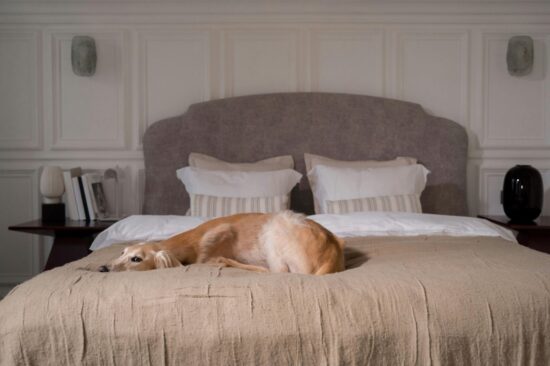
The Case for Co-Sleeping: Benefits of Bed Sharing
Strengthens Your Bond
Sharing sleep space can deepen the connection between you and your puppy. Physical closeness releases oxytocin in both humans and dogs, the hormone associated with bonding and affection. Those quiet nighttime hours together can help your puppy feel secure and loved, especially during their adjustment period to a new home.
Reduces Anxiety and Loneliness
Puppies are social animals that have just been taken away from their mother and litter. Being alone in a new environment at night is scary. Your presence is comforting and helps alleviate separation anxiety, meaning your puppy is more likely to sleep through the night. This means less whining, less waking up during the night, and better sleep for all.
Warmth and Comfort
Dogs are natural cuddlers who seek warmth. Your body heat and presence can help your puppy feel cozy and safe, which may lead to better quality sleep. Many pet parents find that having their puppy nearby is comforting for them too—there’s something therapeutic about feeling that gentle breathing beside you.
Easier Nighttime Monitoring
Having your puppy next to you makes it easier for you to realize when they need to go to the bathroom or become fidgety and uncomfortable when they are sick. In those early weeks of potty training (and many trips outside at midnight), it’s also helpful.
The Drawbacks: Reasons to Think Twice
Sleep Disruption
Puppies aren’t the quietest of sleepers. They roll, scratch, kick, readjust, and potentially wake up several times during their slumber. Some puppies are even dawn-patrollers who think 5 AM is an excellent time to get the day started. Your sleep is bound to take a serious hit and we all know how grumpy chronic lack of sleep can make us.
House Training Challenges
One of the more practical fears involves potty training. Young dogs have small bladders and less of an ability to hold it. It’s one thing to have a dog on your bed and for that dog not to be able to communicate to you that it needs to go out. However, it’s entirely another thing for it to wake you up with a pee stain in your sheets.
Setting up a designated sleep area with easy access to outdoors can make house training much easier.
Behavior and Boundary Issues
Allowing your puppy in bed can sometimes lead to challenges with boundaries and independence. Some dogs may develop resource guarding behaviors around the bed or become overly dependent on sleeping with you. If you ever need to change this arrangement—whether for travel, health reasons, or personal preference—it can be much harder to transition an older dog out of the bed than to never start the habit.
Hygiene Concerns
Even clean puppies track in dirt, dander, and outdoor elements. Puppies who aren’t fully vaccinated can carry parasites or bacteria. They also shed, drool, and occasionally have accidents. If you’re particular about bedroom cleanliness or have allergies, these factors are worth considering.
Safety for Small Breeds
For tiny puppies, especially toy breeds, there’s a safety consideration. You might accidentally roll over on them during sleep, or they could fall off the bed and get injured. Small puppies can also get trapped under blankets or pillows.
Finding the Right Solution for Your Family
Whether or not you want your puppy to sleep in your bed is a personal decision. You must do what is best for your family and lifestyle. Here are some compromises worth considering:
Bedside Crate/Dog Bed: Some owners choose to create a space for their puppy right next to their bed. A crate or dog bed next to the owner’s side means they can appreciate the presence of their owner but not the ownership of the bed, thus making potty training access easier while still providing a sense of security.
Wait Until They’re Older: One argument many experts make is to avoid allowing puppies in the bed until they’re older, house-trained, and out of the most disruptive developmental stages. This gives time for habit-building and boundary establishment.
Part-Time Only: Some owners allow their dogs in bed only on weekends or certain nights. This is a way to get in some cuddle time without full-time responsibility.
Clear Rules from the Start: If you will allow your puppy in bed, establish rules from the start. Can the puppy stay on the bed without asking, or do they need to be invited? Boundaries should be enforced early and often.
Health and Safety Tips
If you decide to let your puppy sleep with you, keep these guidelines in mind:
- Ensure your puppy is up to date on vaccinations and parasite prevention
- Use washable bedding and protective covers
- Keep the bed at a safe height to prevent injury from jumping
- Establish a calming bedtime routine
- Consider your puppy’s breed, size, and individual temperament
- Make sure everyone in the household is on board with the arrangement
The Bottom Line
There is no right or wrong answer when it comes to having puppies sleep in your bed. The most important thing is that you make a decision based on your needs and follow through with that decision. Many dogs love sleeping with their humans. Many dogs are just as content sleeping in their own beds.
Consider what works best for you and your puppy. If sleeping together means neither of you sleeps (or has been house trained) and it compromises your bond, then it’s not meant to be – no matter how much they give you those puppy dog eyes. Conversely, if sleeping together is harmonious, loving, mutually beneficial, and comfortable, then enjoy it!
The most important thing is a well-adjusted, content dog and a well-rested, content human. Whichever means that is true for you is the right option for your family!