
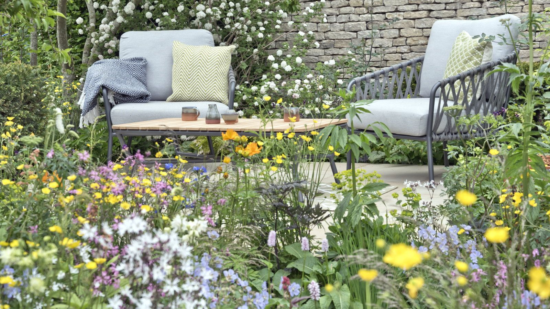
You don’t need the budget of a TV makeover show to transform your garden. With a bit of creativity and a few smart purchases, your garden can go from being a neglected patch to a relaxing space you enjoy spending time in.
These six upgrades are affordable, practical, and genuinely worth doing. Better still, they build on each other, so by the end, everything will feel intentional rather than thrown together on a hopeful Saturday afternoon.
Keep reading to learn how you can integrate them into your outdoor space.
Raised Garden Beds
If your garden has been underperforming, the fix probably isn’t adding another plant; it’s improving the space they’re growing in.
Raised garden beds are the single best upgrade you can make to a tired garden. They fix drainage problems almost immediately, which UK gardeners know is no small thing. Waterlogged soil is the silent killer of many a promising growing season.
Cedar and pine are your go-to options for a natural look. Cedar especially earns its keep by naturally resisting rot and mould for up to seven years.
If you want something sleeker and more modern, galvanised steel is durable, weathers beautifully, and looks brilliant against greenery.
Either way, aim for a width of around 1.2 metres so you can reach the middle without stepping on the soil.
Local garden centres usually stock everything you need, and buying reclaimed wood from timber merchants can keep costs right down.
Decorative Planters
With your raised beds sorted, it’s time to add a bit of personality. Decorative planters are how you inject character into those corners, walls, and patios that would otherwise look a bit bare.
And the best part is that you don’t need to spend much at all. Old tin cans, wooden crates, and even battered Wellington boots make surprisingly charming planters.
For taller pots, choose plants that spill and soften the edges. Ivy, trailing geraniums, or cascading petunias add movement and stop these containers from looking stiff or top-heavy.
Smaller pots, on the other hand, are ideal for succulents because their root systems are shallow and compact. They don’t need much soil to thrive, and in fact, too much space can hold excess moisture around the roots.
If you’d rather buy ready-made options, garden centres like Dobbies and Hillier usually carry affordable ranges, and Greenfingers online is worth browsing for budget-friendly finds.
Garden Paths
You’ve got beds and planters in place, so let’s think about how you can actually move between them.
A garden path is one of those upgrades that looks intentional and thoughtful, even when it costs you very little. Without one, you’ll either tiptoe around plants or wear a muddy track into your lawn.
Gravel is the most affordable option and works in almost any garden style. It’s easy to lay, drains well, and gives a satisfying crunch underfoot that somehow never gets old. Reclaimed stone slabs or stepping stones are a step up in effort, but they look brilliant once they’re down.
Before committing, map out the route with a string or a garden hose so you can see how it flows. Gentle curves tend to feel more natural and can even make small gardens seem more spacious.
Next, use a weed membrane under gravel and set stone slabs into sharp sand so they stay level.
If you find yourself wanting a more cohesive layout once everything is in place, that’s the point where professional advice can be helpful.
Many UK landscaping services now offer consultations to help you refine the structure and choose the right garden designs without diving into a full-scale overhaul.
Comfortable Seating Areas
A garden without somewhere to sit is just an overglorified lawn. Once your specimens are planted and the rest of your garden has taken shape, carve out a spot to actually enjoy it.
Fortunately, you don’t need to spend a fortune here. DIY pallet furniture that’s painted or stained to match your garden’s palette will look great and cost next to nothing.
Charity shops, car boot sales, and Gumtree regularly turn up decent second-hand outdoor furniture for a fraction of the retail price. Just keep an eye out and be patient; good finds appear more often than you’d think.
Place your seating somewhere with a bit of shelter—under a tree for dappled shade, against a wall that holds warmth, or beside a fence to block wind.
Finally, add weather-resistant cushions for comfort and a pop of colour, and you’ll have a comfortable seating area you can use for reading, relaxing, and hosting guests.
Outdoor Lighting
You’ve now got a seating area worth spending time in, but your light fixtures are what will make it usable after 5 p.m. This is the upgrade that genuinely surprises people with how much difference it makes.
Solar lights are the obvious choice. There’s no wiring to deal with, no added electricity costs, and the quality has improved in recent years. On a decent sunny day, they can store enough charge to carry you comfortably into the evening.
String lights are brilliant for creating a cosy atmosphere around seating areas. They give any garden a slightly-magical, fairy-tale quality that’s hard to achieve any other way.
Spotlights, on the other hand, are better suited to highlighting specific features, like a statement pot or an interesting architectural corner.
B&Q and Homebase both carry solid ranges at affordable prices. Line a path, frame a seating area, and pick out one or two garden focal points. Done properly, no one will guess your lighting came from the DIY aisle.
Small Storage Solutions
Here’s the thing about having more garden equipment, planters, and cushions: it all needs to be stored somewhere.
Nothing undermines a lovely garden quite like tools left propped against the fence and bags of compost sitting in full view. So, a small shed or storage unit is the final piece that will pull everything together.
Treated wood and robust plastic are both solid, affordable choices that hold up well through British winters.
If you don’t want to build it yourself from scratch, flat-pack shed kits from Wickes and Screwfix are reasonably priced and easier to assemble than you’d expect.
If you’d rather not buy or build a new one, check local classified ads and Facebook Marketplace. Second-hand sheds in decent condition come up regularly, often for well under £50.
Conclusion
With just six upgrades, your garden has gone from an afterthought to somewhere you’ll actually want to spend time.
From the plants and seating to the lighting and practical storage, you’ve created a space that works on every level, which is more than most people manage with much larger budgets.
All that’s left now is to step outside and enjoy it. You’ve put the work in, so you might as well reap the rewards!
Read More at https://lookwhatmomfound.info/