
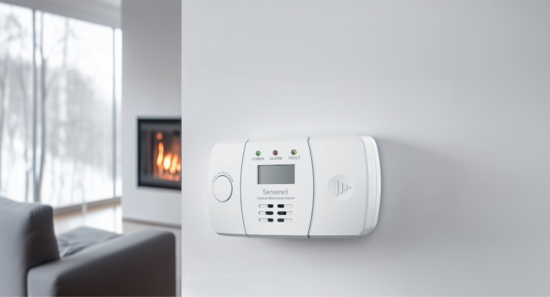
Modern households rely on many safety measures, yet one of the most overlooked essentials is an interconnected alarm network. When each floor of a home is equipped with linked detectors, the entire system responds instantly to danger, providing faster alerts and better protection for everyone inside.
The importance of whole-home connectivity
Traditional smoke or carbon monoxide detectors often function independently. If a fire starts in a distant room, alarms on other levels may not activate quickly enough. Interconnected systems solve this problem by ensuring that when one unit senses danger, all units sound simultaneously.
This connectivity is especially vital for multi-story homes. It gives people sleeping upstairs the same immediate warning as those near the source of the hazard, reducing evacuation time and preventing confusion during emergencies.
How an interconnected alarm network works
An interconnected network links all alarms through wireless signals or hardwired connections. When one device detects smoke, heat, or gas, it communicates with every other unit, triggering a synchronized alarm response. This design improves reliability and consistency across the building.
Advanced models, such as the HomeKit smoke detector, integrate with smart home systems to send alerts directly to phones or tablets. Users can receive notifications even when away, allowing for quicker responses and reduced property damage.
Multi-sensor devices and their advantages
The latest detectors go beyond simple smoke detection. Devices like the owl sensor combine multiple sensing elements, including smoke, carbon monoxide, and motion. This combination offers comprehensive monitoring in a single unit, minimizing the need for separate devices on every floor.
By including temperature and humidity tracking, these sensors also help identify environmental changes that may signal ventilation problems or other safety concerns. The result is a more complete understanding of indoor conditions and potential risks.
Placement strategies for maximum safety
For effective coverage, alarms should be placed on every level, including basements and attics. Position one inside each bedroom and in hallways leading to sleeping areas. Avoid locations near vents or windows where airflow could delay detection.
- Install at least one smoke detector on every floor.
- Include combination alarms in kitchens or near fuel-burning appliances.
- Test each unit monthly to confirm proper function.
- Replace batteries as recommended by the manufacturer.
Proper placement ensures that smoke or gas is detected early, and interconnected functionality guarantees that all units respond together.
Maintenance and system testing
Even the best networks require regular maintenance. Dust, humidity, and time can affect sensor performance. Testing the system periodically verifies that every detector can still communicate with the rest of the network.
Scheduling a full system test once a month and cleaning detectors at least twice a year helps maintain reliability. Homeowners should also review the system’s age; most detectors need replacement after about ten years.
Enhancing peace of mind through integration
When alarms are linked, safety becomes a shared responsibility between technology and awareness. Smart integration adds another layer of assurance, providing alerts across multiple devices and allowing for quick verification of the situation.
An interconnected alarm network is not just a convenience; it is a crucial component of a safe, modern home. By placing detectors on every floor and ensuring they communicate effectively, households can achieve faster response times and greater confidence in their overall safety strategy.
Read More at https://lookwhatmomfound.info/