

Creativity at home doesn’t need to be fancy. Most people already have what they need in drawers, boxes, or tucked away in closets. Old shirts, scraps of paper, empty jars, even cardboard from packages can turn into something useful. That is the idea behind inventive lwmfcrafts. They are not about spending money or buying supplies you’ll never use again. They are about making small, simple things that fit into daily life.
This piece is not a list of perfect Pinterest projects. It’s more of a guide on how crafts can work in real homes across the United States. We’ll look at ideas that help families spend time together, ways kids can learn through craft, and how ordinary stuff can turn into gifts or home decor. Along the way, we’ll also mention places like giveaways where people share projects and get inspired.
Why People Still Choose Handmade
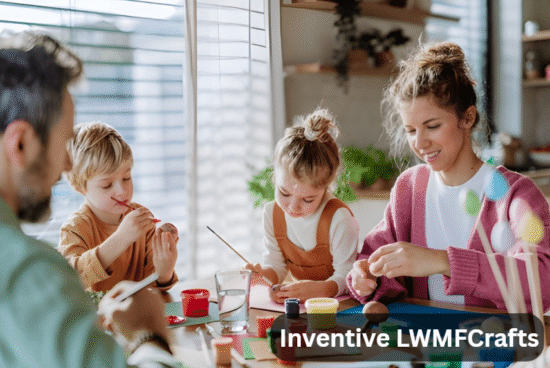
It’s easy to buy almost anything today. But making something by hand still matters. Inventive lwmfcrafts remind us that value doesn’t come from price tags. A jar lantern you make with your child will always feel warmer than one bought at a store. A fabric tote sewn from an old t-shirt carries more memory than a plastic bag.
There’s also the simple fact that life feels calmer when you make something. Crafting slows you down. It gives your hands a job that screens can’t. Many families in the U.S. are turning back to this, both for fun and for sustainability, and resources like the give away look whatmomfound highlight how these small projects can inspire connection.
Simple Crafts for Everyday Use
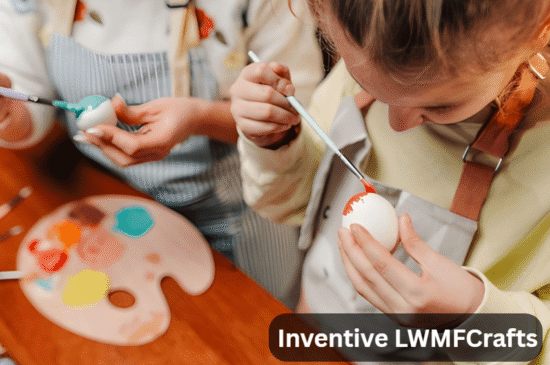
Not all crafts are decorative. Many solve small problems. Here are a few examples I’ve seen people actually do:
- Coffee cans covered in fabric used as kitchen utensil holders
- Cardboard boxes cut and glued into drawer dividers
- Mason jars painted and turned into bathroom organizers
- Wine corks pressed together to form trivets
These projects take an hour or less. They don’t need new supplies, just things you’d likely toss out. That’s the spirit of inventive lwmfcrafts—use what you have, make it work, and add a personal touch.
Families at the Table
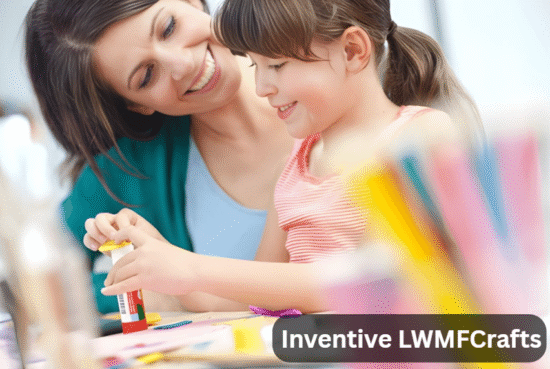
Parents often look for ways to connect with their kids that don’t involve screens. Crafts make that possible. Everyone can sit down together with glue, paper, scissors, and just see what happens. No one needs to be skilled. The point is being together.
For younger children, cutting, folding, and gluing builds coordination. For older kids, it sparks creativity and even teaches patience. And for parents, it’s a chance to listen and talk while doing something light. These small shared projects often become traditions. Some families make decorations every December, others paint pumpkins every fall. As shared on lwmf, the craft may change, but the memory sticks.
Kids Learn Through Making
Teachers have always used crafts to teach. At home, the same idea works. Inventive lwmfcrafts can show kids how math, science, and art connect.
Cutting shapes means measuring. Mixing paints shows how colors work. Building something from scratch teaches problem solving. A child who makes a paper kite learns not just folding and tying, but also patience when it doesn’t fly the first time.
The lessons hide inside the fun. That’s why crafting with kids never feels like homework, but the skills last.
Personal Touch in Home Decor
Homes feel warmer when they have handmade touches. Inventive lwmfcrafts let people add details that make a space unique. A photo frame from cardboard. A cloth runner stitched from scraps. A centerpiece made from dried flowers. None of these cost much, but each adds character.
When guests notice these pieces, there’s often a story behind them. “We made this last summer from driftwood we found at the beach.” Those stories matter more than mass-produced items.
Gifts Made by Hand
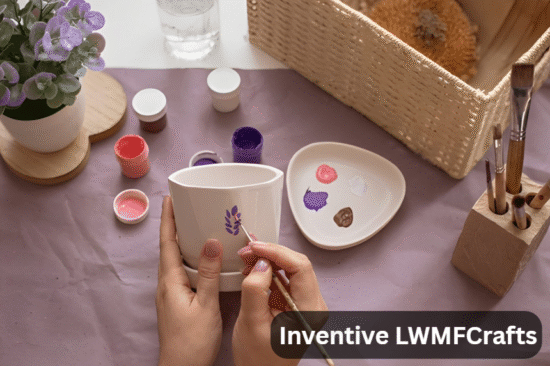
Buying gifts is quick. Making them takes time, but it shows care. Some ideas I’ve seen shared include:
- Handmade candles in jars
- A scrapbook of printed photos
- Hand-painted mugs
- Cookies packed in decorated tins
These gifts don’t need to be perfect. Their meaning comes from effort. Many people remember a small homemade gift longer than an expensive store-bought one. That’s the power of inventive lwmfcrafts in personal life.
Crafts for Every Season
The rhythm of the year offers endless craft ideas. In autumn, leaves and pinecones turn into wreaths. Winter brings paper snowflakes, knitted scarves, or handmade ornaments. Spring is a time for painted flowerpots or pressed flowers. Summer invites tie-dyed shirts, picnic blankets, or outdoor lanterns.
Doing these projects as the seasons change gives families a rhythm. Kids remember them year after year, and those simple objects hold strong memories.
Online Communities Keep Crafts Alive
Not everyone knows where to start. That’s where online communities help. Platforms like giveaway share guides, free printables, and even contests that get people excited about trying something new.
These groups make crafting less lonely. A parent in Ohio can share an idea that inspires another parent in Texas. Someone who’s never tried a project before can watch a short video and get started. The sense of sharing is what keeps the tradition alive, even in a digital world.
Getting Started Without Pressure
The biggest mistake people make is thinking their work has to look perfect. It doesn’t. Inventive lwmfcrafts are about trying and enjoying the process. A crooked cut or uneven paint doesn’t matter. What matters is the time spent making.
The best way to start is small. Use what you already have. An old jar, a scrap of wood, a piece of fabric. Make something simple and see how it feels. From there, try one or two new projects a month. Over time, it becomes a habit, not a chore—and you can even find inspiration from giveaways to keep the ideas fresh.
Closing Thoughts
Inventive lwmfcrafts are not about crafting for show. They’re about making ordinary days a little more creative. They bring families closer, help kids learn, reduce waste, and make homes warmer.
Communities like give away remind us that sharing ideas matters as much as making things. People don’t need perfect supplies or professional skills. They just need a willingness to try.
In the end, crafts aren’t about the finished product. They’re about the memory of making it.
FAQs
1. What are inventive lwmfcrafts?
Inventive lwmfcrafts are simple, creative craft projects made using everyday materials such as cardboard, old clothes, empty jars, paper, and fabric scraps. They help people create useful items and decorations without spending much money.
2. What materials can I use for crafts?
You can use recycled cardboard, glass jars, old T-shirts, paper, buttons, fabric scraps, wine corks, and dried flowers. Choose materials you already have at home to keep projects affordable.
3. Are crafts suitable for children?
Yes, many projects are suitable for children, including paper crafts, painting flowerpots, decorating jars, and making seasonal decorations. Adults should supervise young children when using scissors, glue guns, or other potentially dangerous tools.
4. How can inventive crafts help reduce waste?
These crafts give old or unused items a new purpose. For example, cardboard boxes can become drawer organizers, and empty jars can be turned into storage containers. Reusing materials helps reduce household waste.
5. What are some easy inventive crafts for beginners?
Beginners can start with decorated jars, cardboard photo frames, handmade greeting cards, fabric organizers, or paper decorations. These projects require few supplies and basic skills.
6. Can inventive crafts be used for home decoration?
Yes, handmade crafts can add personality to any room. You can create wall art, painted jars, fabric table runners, decorative flowerpots, and handmade centerpieces using inexpensive materials.
7. How do inventive crafts benefit families?
Crafting gives families an opportunity to spend quality time together. Parents and children can share ideas, solve problems, practice creative skills, and make meaningful memories through simple projects.
8. Can I make gifts using inventive crafts?
Yes, you can make personalized gifts such as photo scrapbooks, decorated mugs, handmade cards, fabric tote bags, and decorated gift boxes. These items often feel special because they reflect time and personal effort.
9. How much money do I need to start inventive crafts?
You can start with little or no money by using materials already available at home. Basic supplies such as paper, glue, paint, and scissors may be enough for many beginner projects.
10. Where can I find more inventive crafts ideas?
You can find inspiration through craft blogs, online communities, tutorial videos, and family-friendly creative websites. You can also explore project-sharing communities and giveaways for new ideas and activities.