Picture a sunlit backyard, shadows slipping across faded stripes as an old awning droops over your patio. That washed-out fabric looks tired, but you know the comfort it brings: cool shade, privacy, and a welcoming spot to gather. Fresh awning replacement fabric for retractables, window awnings, and custom awnings turns worn-out covers into a stylish barrier against the sun and rain.
Whether you want better sun protection, more curb appeal, or peace of mind that your awning can stand up to the weather, the right replacement transforms how your space feels. In this guide, you’ll find what to look for in new fabrics, how to measure and fit them, and care tips to make them last. Get ready for simple steps and expert advice that help you choose practical, weather-resistant options for every kind of awning.
Why Replace Your Awning Fabric?
Fresh fabric breathes new life into your space, turning a tired awning into an eye-catching shelter that lasts through seasons. Old, worn-out awning replacement fabric for retractables, window awnings, and custom awnings not only drags down the look of your home or business, but it can invite bigger problems like leaks, mildew, and even sun damage. Replacing your awning fabric fixes more than appearances; it shapes comfort, safety, and lasting value.
Common Signs Your Awning Fabric Needs Replacing
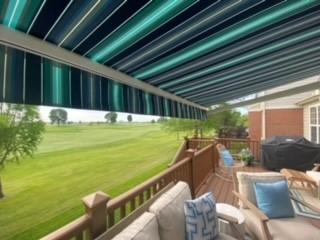
Stretched fabric that sags in the rain or rips at the slightest tug means it has lost its strength. These signs often show up quietly but speak volumes about the condition of your shade.
Look out for:
- Fading: Dull, washed-out colors make your awning look neglected and old. Fading also means the sun protection is wearing thin.
- Tears and Holes: Small snags can quickly become large rips that let rainwater seep through.
- Mildew or Mold: Black or green spots hint at trapped moisture. This not only smells bad, but it can pose health risks.
- Worn Seams: Fraying stitches or separated edges let wind and rain in, causing bigger tears over time.
These issues are more than cosmetic. They signal your awning has lost its power to shield and protect.
Health and Practical Risks of Worn-Out Fabric
Old awning fabric is more than an eyesore—it puts your comfort and health at risk. As the material wears down, its ability to block sunlight fades. You and your family can stay outside for hours, only to find your skin burned and your patio furniture cracked from UV rays.
Broken seams or torn spots let water drip through, soaking everything underneath. Mildew and mold thrive in damp fabric, leading to allergy problems and sneezing guests. It only takes one heavy rainstorm or windy day for old fabric to tear loose, leaving everything beneath exposed.
Key risks to watch for:
- Increased UV exposure
- Water leaks onto patios and decks
- Mold and mildew growth
- Pest infestations in damp, hidden spots
Don’t ignore those first small signs of wear. They can snowball into bigger, costlier repairs.
Transform the Look and Feel of Your Space
Awning replacement fabric for retractables, window awnings, and custom awnings creates an instant update. Imagine swapping faded tan stripes for fresh navy or bright white. Fresh fabric harnesses light and color, turning forgotten spaces into highlights instead of afterthoughts.
Homes with crisp awning fabric look well cared for. Businesses appear inviting and professional. Real estate agents often note that new awnings increase curb appeal, making a home stand out to buyers or guests.
Here are benefits of new awning fabric you’ll notice right away:
- Strong, vivid colors: Boost curb appeal and set the tone, whether cozy, bold, or classic.
- Comfort: Fresh fabric keeps patios noticeably cooler and shields windows from intense sun.
- Longer outdoor season: High-quality fabric withstands wind, rain, and sun, so you use your space more often.
Updating your awning fabric is one of the easiest ways to breathe new energy into your home or business. It’s practical, boosts comfort and pays off every time someone enjoys the shade.
Choosing the Right Replacement Fabric for Retractables, Window Awnings, and Custom Awnings
When shopping for new awning replacement fabric for retractables, window awnings, and custom awnings, there’s much more to consider than picking a pretty print. The right fabric helps your awning last through storms, sun, and changing seasons, all while making your outdoor space more inviting. Accurate measurements and smart fabric choices set you up for smooth operation, whether you’re rolling out a retractable or prepping a custom window cover. Here’s how to get it right from the start and what’s trending for 2025.
Measuring for Perfect Fit
Swapping out awning fabric isn’t just a quick fix; it’s about getting the fit exactly right. Ill-fitting material shifts in the wind, catches during rolling, and wears out sooner than it should. Accurate measurements give your awning the best chance at smooth, lasting performance.
Start with a few simple tools:
- Soft measuring tape (not rigid)
- Notebook and pen for recording numbers
- A helper, if your awning is wide or positioned high
Follow these steps for precise measurements:
- Remove the Old Fabric if Possible: Lay the old material on a flat surface for easier measuring. If removal isn’t possible, measure while it’s still in place, but double-check for stretching or shrinking.
- Measure the Width: Start edge to edge, including any material tucked into side channels, but not hardware or end caps.
- Measure the Length (Projection): Measure from where the fabric attaches at the back (against the wall or window) to the farthest outer edge, following the curve of the awning if needed.
- Record Both Metric and Imperial: Some suppliers use inches, others use centimeters. Write both to avoid confusion.
- Double-Check All Numbers: Even a half-inch off can cause loose fabric that flaps in the breeze or fabric so tight it strains when rolled.
Why is all this precision so important? If the fabric is too loose, it can balloon when windy, putting stress on the arms and rollers. Too tight, and the fabric may not extend fully or could snap seams over time. The right fit keeps your space shaded, the awning rolling smoothly, and cuts down on wear.
Popular Fabric Colors and Patterns
The look of your awning replacement fabric for retractables, window awnings, and custom awnings is the first thing everyone notices. For 2025, color trends blend modern neutrals with nature-inspired patterns and a strong nod to classic stripes.
Trending colors this year include:
- Sandstone Beige and Light Gray: These soft neutrals reflect sunlight and help keep patios cool. Perfect for minimal, modern spaces.
- Calm Blue Stripes: Picture gentle blue waves crossed with creamy white. This cooling palette turns any porch into a beachy retreat, inviting afternoon naps or lazy brunches.
- Leafy Green Patterns: Lush botanical prints with green vines or palm fronds bring a hint of the tropics, making garden spaces blend into the natural world.
- Deep Navy and Forest Green Solids: Darker shades absorb a bit more heat, but if you need strong sun-blocking power, these fabrics work hard all summer. They also hide dirt and pollen longer between cleanings.
- Classic Black-and-White or Navy-and-White Stripes: Timeless and crisp, these patterns add instant charm to storefronts or patios.
Lighter colors generally reflect more heat, making patios and porches feel cooler on blazing days. Darker tones offer superior UV blocking and give bold definition to decks and windows, especially where privacy matters most.
Visualize your new space:
Imagine a window framed by wide, pale gray fabric, bouncing soft light onto your living room. Picture a backyard under navy-and-cream stripes, with shadowy lines swaying on the terrace as the breeze picks up. Look for patterns that echo your style—classic, playful, or earthy.
Quick tip: Always pick a color or print you’ll love for years, and match the mood of your home or business.
In the next section, we’ll dive deeper into top fabric types and compare texture, cost, and durability so you can confidently choose what’s best for your awning replacement fabric for retractables, window awnings, and custom awnings.
Steps to Replace Awning Fabric at Home
Changing the fabric on your awning can feel like a big project, but most homeowners can get it done with steady hands and a little patience. The new awning replacement fabric for retractables, window awnings, and custom awnings will turn faded covers into bold, clean shade that ups both comfort and curb appeal. Before you climb the ladder, take a moment to line up your tools, work space, and safety plan so you can avoid headaches and common mistakes that happen during DIY projects.
Gather Tools and Set Up Your Space
Preparation makes all the difference. Gather the necessary tools so you’re not scrambling mid-project. Here’s what you’ll need for most fabric swaps:
- Screwdriver (Phillips and flathead): For removing hardware and fasteners.
- Ladder: Sturdy with rubber feet, tall enough to reach the awning safely.
- Pliers: Helpful for unclipping springs or stubborn fasteners.
- Tape measure and straight edge: To double-check sizing.
- Safety gloves and eye protection: Awning frames sometimes snap or shift.
- Clean drop cloth: To keep new fabric safe from dirt and stains.
Set up on a dry, stable surface. Lay your new awning replacement fabric for retractables, window awnings, and custom awnings out flat and keep hardware sorted in bowls or containers you can’t kick over.
Remove the Old Fabric Without Damage
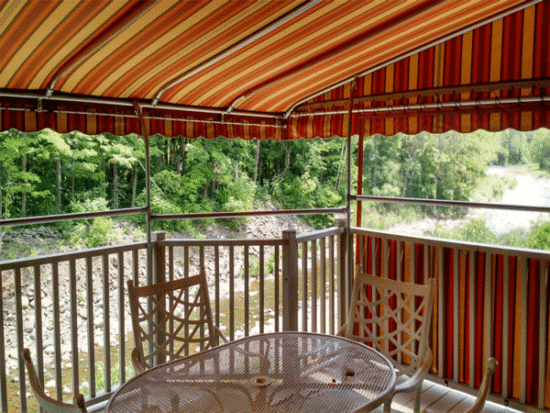
How you remove old fabric depends on the style. Retractables and fixed awnings attach differently, but the general steps are similar.
- Retract the Awning: Loosen tension if possible. Never work on a spring-loaded arm without reading instructions, since tension can cause it to snap back.
- Unscrew at Attachment Points: Remove screws or end caps along the roller bar and front rail. Take photos of parts as you go so you remember the order.
- Slide or Unclip Fabric: Some fabrics slide out through tracks, while others unclip. Take your time—jerking on the material can bend or damage the frame.
- Inspect Frame: Clean the frame with mild soapy water. Check for rust or bad joints while you have it exposed.
Avoid common mistakes like skipping the photos or forgetting the order of screws. Keep everything nearby and work methodically so you don’t lose pieces.
Attach New Awning Replacement Fabric Correctly
Installing new awning replacement fabric for retractables, window awnings, and custom awnings is about keeping tension even and getting those seams perfectly straight. Slow and steady wins the race.
- Align Edges: Start with the end that attaches near the wall or window. Line up the edge with the channel or clips.
- Slide or Clip In: Feed the fabric evenly along the rail or channel. For retractables, keep the fabric taut but not stretched. Use pliers for stubborn clips but always protect the material with a soft cloth.
- Secure with Fasteners: Replace all screws and end caps. Tighten firmly but avoid stripping threads.
- Test the Fit: Gently unroll or extend the awning partway, keeping an eye on seams and tension. If the fabric pulls to one side, back up and adjust.
- Final Tension: For retractable models, reset tension according to the instructions. You want the right balance—tight enough to avoid sagging, but not so tight the fabric strains.
Tips to prevent common errors:
- Never force fabric into a tight spot—this leads to tears and crooked alignments.
- If you must cut the new fabric, always measure twice and slice with a fresh blade.
- Always wear gloves when handling springs and tension arms.
Basic Safety During the Process
Safety should be your top priority. Even a light awning can shift or pinch fingers. Here are key reminders to stay safe:
- Always have another person present, especially when on a ladder or handling a spring-loaded assembly.
- Never release spring tension quickly. Use the manufacturer’s process every time.
- Keep children and pets away from the work area.
- Use protective gloves and safety glasses during disassembly and reassembly.
Caring for Your New Awning Fabric
Fresh awning replacement fabric for retractables, window awnings, and custom awnings brings more than just color to your home or business. With the right care, that new fabric will keep its crisp look and shield your space year after year. Caring for your awning isn’t about complex routines or expensive products. A few simple habits, quick checks, and small repairs will keep your investment looking as bright as the day it was installed.
Keep Fabric Looking Bright With Regular Cleaning
It doesn’t take long for dust, pollen, bird droppings, or the occasional leaf to settle on your awning. Sun and rain quickly press grime into the fibers, making colors fade faster if left alone. With gentle cleaning, your awning replacement fabric for retractables, window awnings, and custom awnings stays sharp and fresh.
- Brush Off Debris: Every week or so, use a soft, dry brush to sweep away leaves, dust, and spider webs. A hand broom or gentle brush works well.
- Wash With Mild Soap: In spring and fall, fill a bucket with cool water and add a few drops of gentle dish soap (never bleach or harsh chemicals). Use a soft brush or sponge to clean the surface. Scrub lightly in a circular motion to avoid rubbing color away.
- Rinse Well: Always use a garden hose or a bucket of clean water to rinse soap off completely. Soap left behind attracts dirt.
- Let It Dry: Open the awning until it is fully dry. Damp fabric can cause mildew or mold, even if it looks clean.
A simple cleaning routine adds years to your awning’s life and keeps the colors from fading.
Conclusion
Awning replacement fabric for retractables, window awnings, and custom awnings gives tired spaces a fresh start with little effort or cost. A smart choice comes down to picking sturdy fabric, precise measuring, and a few careful steps during installation. Regular cleaning helps those colors stay bright and inviting.
Picture your patio lit with new energy—a clean shade overhead, sunlight softened by bold stripes or calming neutrals. Simple upgrades like these draw friends together under cool, vivid shelter and set the stage for long, relaxing afternoons outside.
Thank you for reading. If you’ve revamped your own awning, or want tips on choosing the right style for your space, share your story below. Let your next sunny day begin under your newly refreshed awning.
Read More at https://lookwhatmomfound.info/