
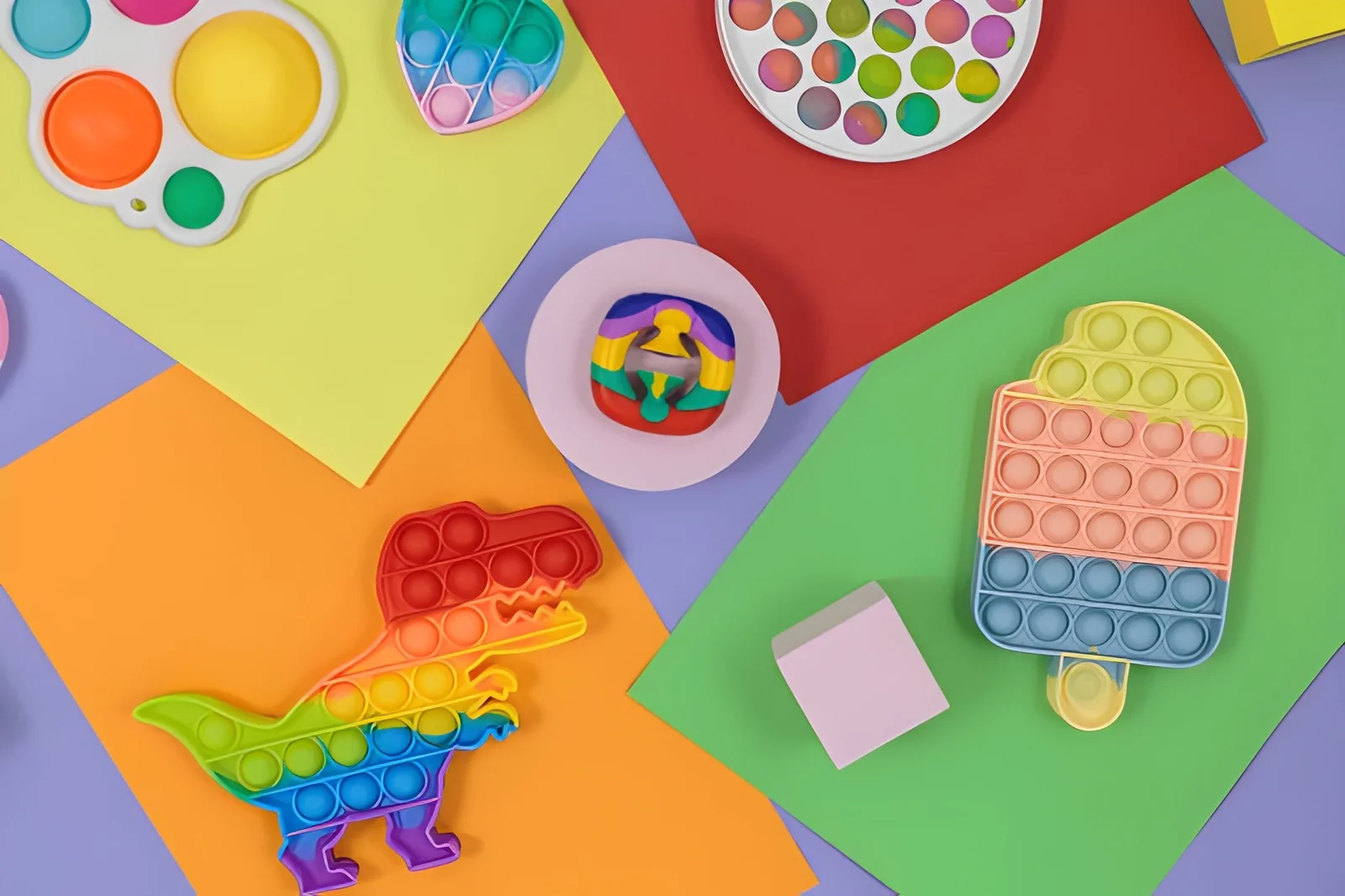
The label “STEM” now sits on everything from a $15 set of blocks to a $200 robot kit, and many of them end up in the closet by February. If you are wondering which STEM toys are worth buying for kids, the answer is not the ones with the biggest claims. It is the ones a child returns to again and again, because they can be used in more than one way.
I once watched a seven-year-old ignore a programmable robot after two days and then spend a month building ramps for a marble with a plain set of wooden blocks. The robot had the label. The blocks had the play value.
A worthwhile STEM toy lets a child build, test, fail, and try again. It matches their age, survives rough handling, and does not need a screen to be fun.
This article is general information, not educational advice. It covers a quick answer, a research summary, a toy-type table by age, a buying checklist, safety notes, mistakes to avoid, and a short FAQ.
Which STEM toys are worth buying for kids?
The STEM toys worth buying are open-ended and age-appropriate: building blocks, magnetic tiles, construction sets, puzzles, simple coding toys, and basic science kits. Choose toys with many ways to play, sturdy parts, and a challenge that stretches your child without frustration. Skip single-purpose gadgets and anything with a large screen requirement unless your child really wants it.
What does the research say?
| Finding | Source detail |
|---|---|
| Blocks and spatial skills | A 2020 study found block-building skills at age 3 are related to spatial skills at age 5 |
| Play with blocks, puzzles, and shapes | A 2014 review found they boost spatial skills, which are associated with later math learning |
| What to look for | Experts say to look for toys that encourage open-ended, active play and problem-solving, not fancy labels |
| Coding toys | Research in press from Tufts University shows kids who play with coding toys show improved problem-solving in other tasks |
| Engineering skills | Building blocks strengthen spatial reasoning, assembly toys build fine motor skills, and coding games promote logical thinking |
Research shows association, not guarantees. A toy helps most when an adult plays along and asks open-ended questions.
Which toys suit which age?
| Age | Skills to build | Toy types |
|---|---|---|
| 1 to 3 | Cause and effect, shapes, balance | Large blocks, stacking toys, simple take-apart toys |
| 3 to 5 | Patterns, early math, design | Magnetic tiles, chunky puzzles, shape sorters |
| 4 to 7 | Patterns, sequencing, early math, simple engineering | Construction sets, screen-free coding toys, math games |
| 8 and up | Circuits, coding, mechanics | Circuit kits, marble runs, programmable robots |
Purdue’s INSPIRE guide lists coding kits like Coding Charms and Makey Makey for ages 8 and up.
How do you judge whether a toy is worth it?
| Check | Worth it if | Be wary if |
|---|---|---|
| Open-ended | Many ways to build or play | One right answer |
| Replay value | Child can use it for months | Done in one afternoon |
| Challenge | Slightly harder over time | Too easy or too hard |
| Durability | Survives drops | Parts snap in a week |
| Screen need | Optional | Required for every activity |
| Extras | Core set works alone | Needs many add-ons |
| Parent involvement | You can join in | Needs complex setup |
What safety checks matter?
Check the age label, and do not give toys with small parts to children under 3. Keep button batteries and small magnets away from young children, since swallowing them can cause serious injury. Check your national safety authority for recalls before buying.
What mistakes should you avoid?
- Buying by label. “STEM” is a marketing term, not a quality guarantee.
- Buying above the age range. Frustration ends play quickly.
- Skipping simple toys. Simple, classic toys are often the best recommendation for families
Frequently asked questions
Are STEM toys worth the money?
Open-ended ones often are, since children use them for years. Single-purpose kits often are not.
What is the best STEM toy for a toddler?
Large building blocks and stacking toys, since they teach shapes and balance.
Do you need coding toys?
Not for young children. Screen-free coding toys can help from about age 4 to 5, but blocks and puzzles are a solid base.
Are screen-based STEM toys bad?
Not necessarily. Many families choose screen-free toys for younger children and add apps as children get older.
Bottom line
Buy open-ended, age-appropriate STEM toys such as blocks, magnetic tiles, construction sets, and simple coding kits. Check safety labels, skip the hype, and play along when you can.
for more information visit https://lookwhatmomfound.info/